

Oil & Gas
Heat exchangers for oil and gas in the UAE: thermal equipment engineered for upstream, midstream and refining service, built and serviced in Abu Dhabi.
View Sector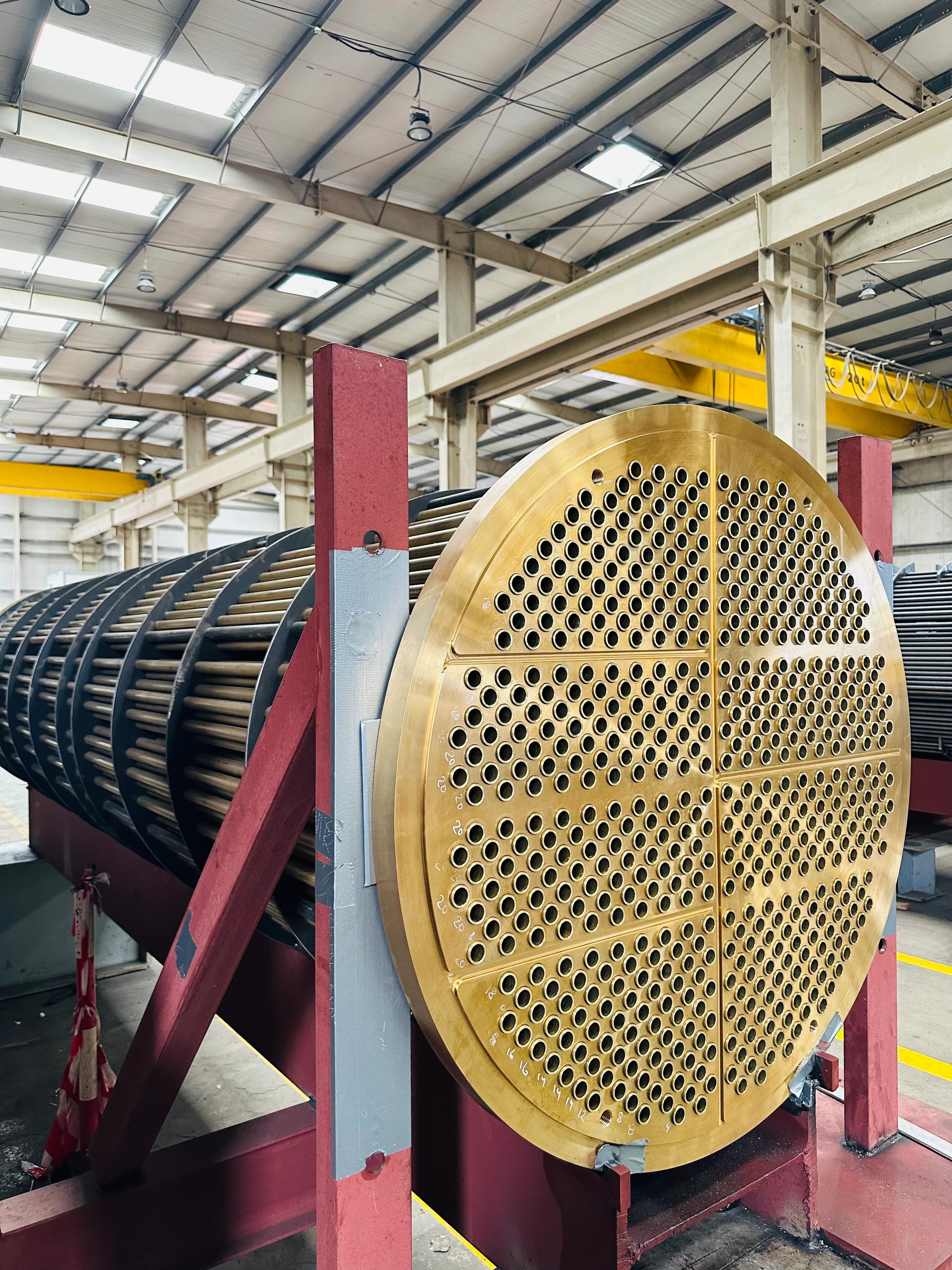
Heat exchanger vibration analysis to TEMA criteria: flow-induced vibration assessment that identifies tube failure risk in existing units and eliminates it in new designs.
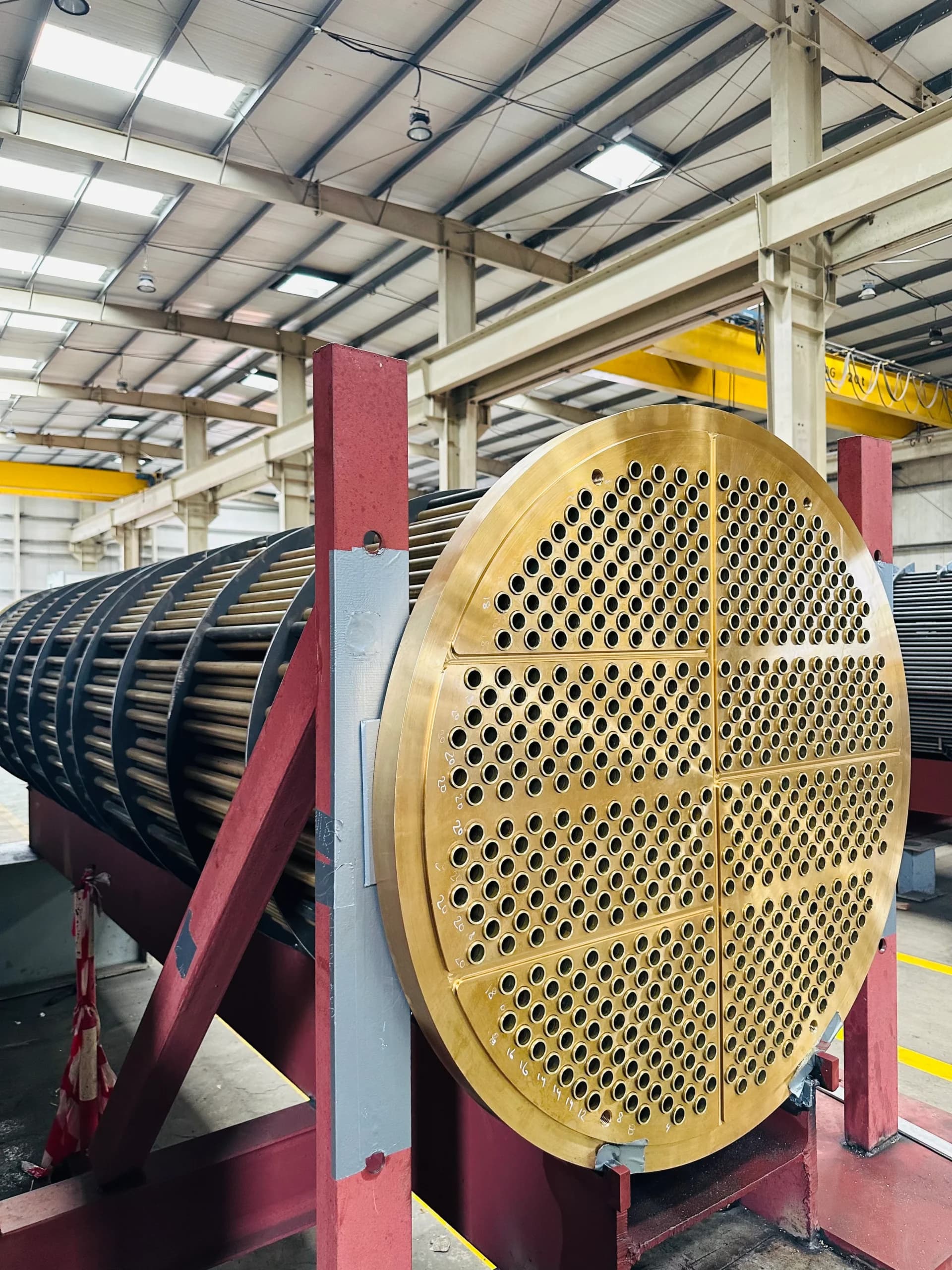
Flow-induced vibration is a comparison between how fast fluid crosses a tube span and how fast that span naturally wants to move. The analysis establishes both and compares them.
Bundle geometry is established: tube diameter, pitch, layout angle, baffle spacing and unsupported span lengths.
Shell-side crossflow velocities are calculated across the bundle, including the inlet and outlet regions where they peak.
Natural frequencies of the unsupported tube spans are determined from geometry, material and support conditions.
Excitation mechanisms are evaluated: fluid-elastic instability, vortex shedding, turbulent buffeting and acoustic resonance.
Engineered against the specific failures that cost operators downtime, contamination or wasted energy.
Vibration damage accumulates silently at baffle contact points and tubesheet joints. By the time it produces a leak, the same wear is usually present across every tube in the affected region.
Vibration problems often appear only after a throughput increase, because the mechanism depends on velocity. A unit that ran for years without trouble can begin failing within months of a debottleneck.
Repeated tube plugging in the same region of a bundle is a vibration signature. Treating it as isolated tube failure means plugging continues until the unit can no longer meet duty.
We open the units we analyse, so predicted damage locations are checked against what is physically found.
Recommended geometry changes are implemented in our own workshop rather than handed to a third party.
Vibration checking is a standard step in our design process, not a service bought separately after trouble appears.
What sets vibration analysis from Dolphin Group apart, in specific and measurable terms.
Distinguishes vibration damage from corrosion, which are treated very differently and frequently confused.
Retubing a unit with a vibration problem reproduces the failure, so the analysis should precede the spend.
Recommendations state the baffle spacing, support or layout change needed, not merely that a problem exists.
Identifies which units in a train will be pushed past their margin before the throughput increase is made.
Margins reported against recognised criteria that third parties and licensors accept.
On new units the analysis feeds the design directly, so the margin is built in rather than checked afterwards.
Design codes, materials and testing scope confirmed for every vibration analysis order.
Criteria
TEMA flow-induced vibration criteria
Mechanisms
Fluid-elastic instability · vortex shedding · turbulent buffeting · acoustic resonance
Software
HTRI Xchanger Suite · ANSYS for modal analysis
Inputs required
Bundle geometry · baffle arrangement · shell-side flow data
Deliverable
Margin report with geometry recommendations
Vibration Analysis in service, sector by sector, application by application.
Heat exchangers for oil and gas in the UAE: thermal equipment engineered for upstream, midstream and refining service, built and serviced in Abu Dhabi.
View Sector
Heat exchangers for petrochemical plants in the UAE: we build exchangers and reboilers for crackers, polymer plants and aromatics complexes worldwide.
View Sector
Heat exchangers for power plants in the UAE: HEI-standard condensers, coolers and heat recovery equipment for conventional and renewable generation.
View Sector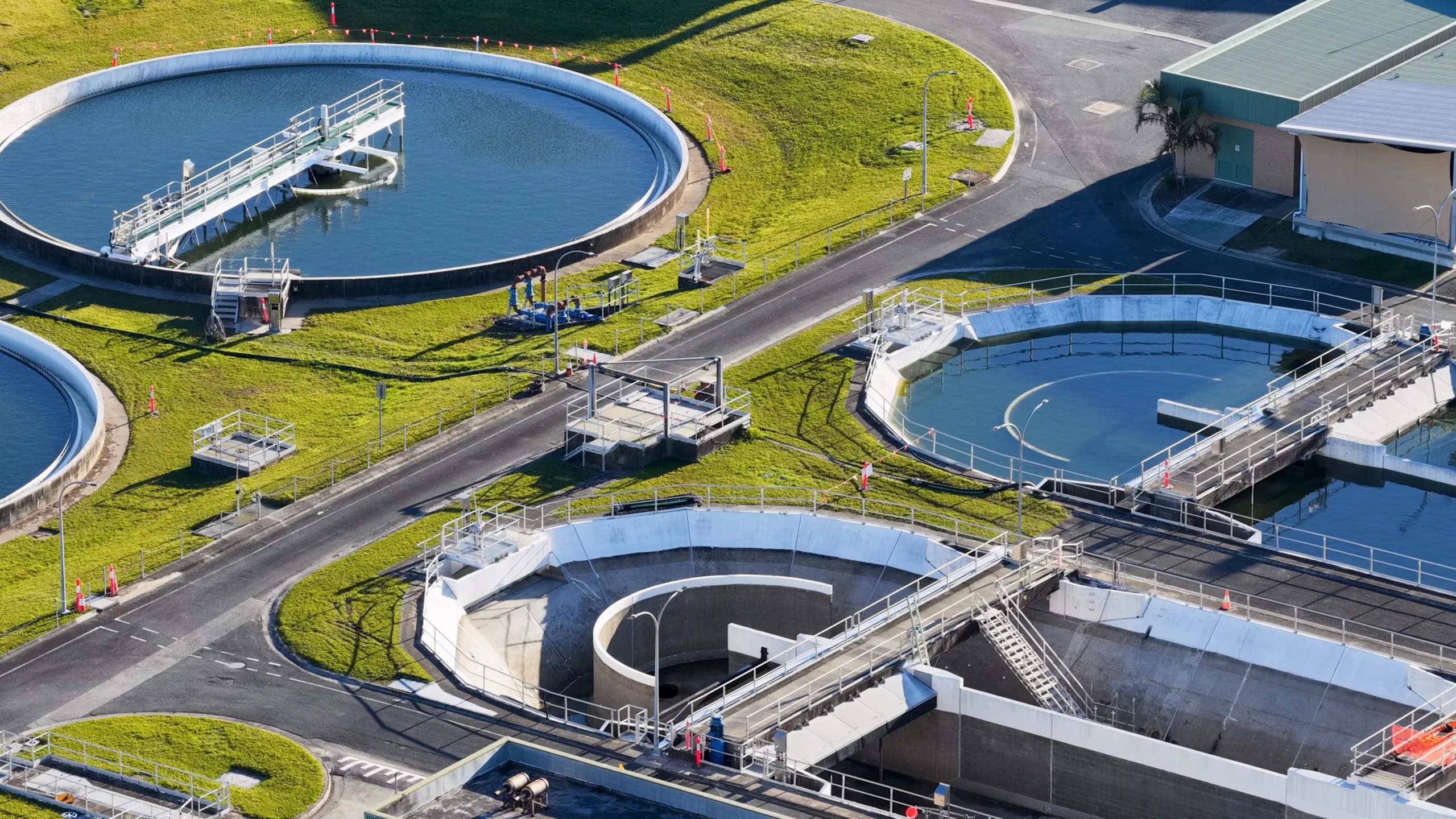
Desalination plant heat exchangers from the UAE: we build high-alloy heat exchange equipment for MSF, MED and RO desalination plants.
View Sector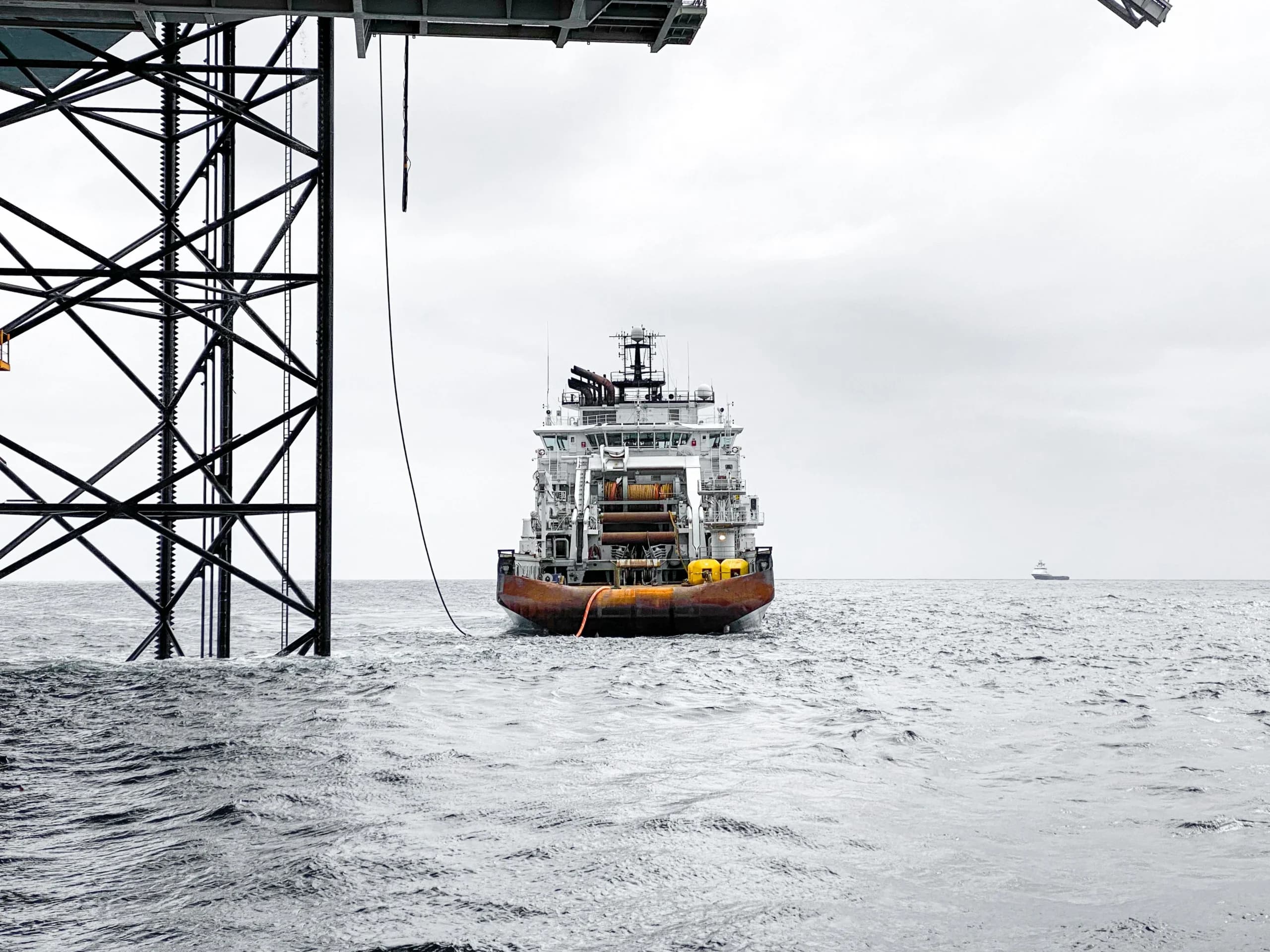
Marine heat exchangers built in Abu Dhabi: compact, seawater-tolerant cooling systems for vessels, rigs and offshore platforms.
View Sector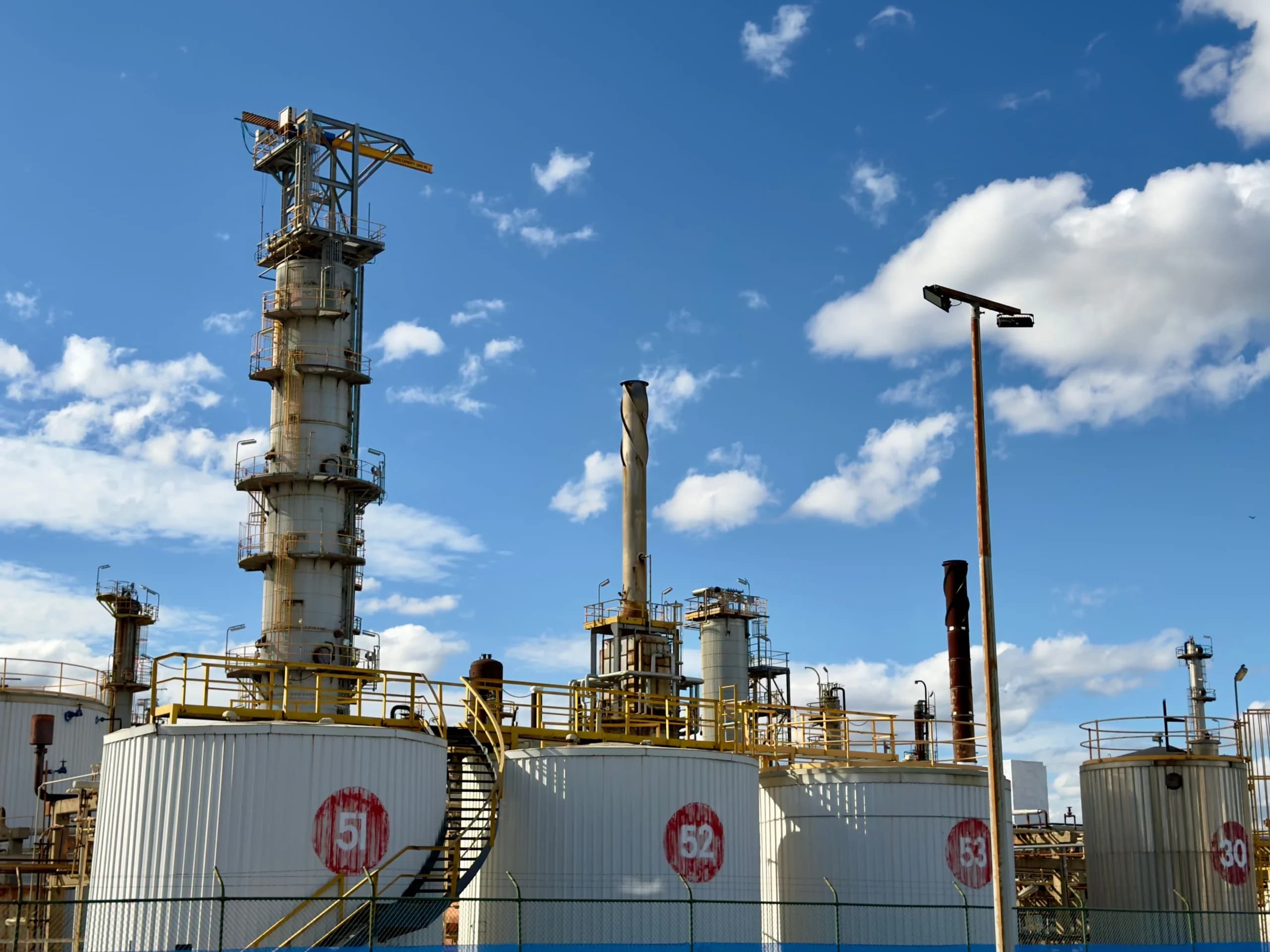
Heat exchangers for chemical plants in the UAE: corrosion-resistant exchangers and vessels for acids, alkalis and speciality chemistry.
View SectorThe distribution is the strongest indicator. Vibration failures cluster near the inlet nozzle and at baffle contact points, and the tubes show wear or fretting at supports rather than general wall loss. Corrosion produces a different pattern.
It is the mechanism where crossflow velocity exceeds a critical threshold and tubes begin to oscillate in a self-reinforcing way. It is the most damaging of the vibration mechanisms because damage accumulates very rapidly once the threshold is passed.
Very likely. Vibration excitation rises sharply with velocity, so a unit with adequate margin at design flow can be well past its threshold after a debottleneck.
Usually yes. Closer baffle spacing, added support strips or a revised tube layout address the mechanism, and all of those are achievable during a retube.
Yes. Retubing to the original geometry reproduces the original vibration condition, so the new bundle fails the same way.
Bundle geometry including tube diameter, pitch, layout angle and baffle spacing, plus shell-side flow rates and fluid properties. Drawings are ideal, and we can take dimensions during a workshop visit where drawings are unavailable.
Yes, as a standard part of design rather than an extra. Correcting a vibration margin on a drawing costs nothing compared with correcting it after fabrication.
Send bundle geometry, operating flows and your failure history through the RFQ form, and we will confirm what else is needed.
Send your duty requirements or existing datasheet, and our engineers will confirm the right configuration.
Design codes, materials and testing scope confirmed for every vibration analysis order.
Criteria
TEMA flow-induced vibration criteria
Mechanisms
Fluid-elastic instability · vortex shedding · turbulent buffeting · acoustic resonance
Software
HTRI Xchanger Suite · ANSYS for modal analysis
Inputs required
Bundle geometry · baffle arrangement · shell-side flow data
Deliverable
Margin report with geometry recommendations