

Oil & Gas
Heat exchangers for oil and gas in the UAE: thermal equipment engineered for upstream, midstream and refining service, built and serviced in Abu Dhabi.
View Sector
Heat exchanger design services in the UAE: thermal and mechanical design to ASME U2 and TEMA, rated in HTRI and calculated in PV Elite before anything is cut.

Design proceeds from process data to a certified drawing package. Each stage produces something the next stage depends on, so the order is not negotiable.
Process data is gathered and checked: flow rates, compositions, temperatures, pressures, and the allowable pressure drop on each side.
Thermal rating in HTRI establishes surface area, tube layout, pass arrangement and expected performance across the operating envelope.
Fouling allowances are set from the service and the intended cleaning interval rather than from a default value.
Mechanical design in PV Elite calculates thickness, nozzle reinforcement, flanges and supports to ASME U2 Section VIII Div.1.
Engineered against the specific failures that cost operators downtime, contamination or wasted energy.
A unit that is thermally correct but mechanically marginal will still fail. Vibration, differential expansion and fatigue are design decisions, and they are far cheaper to settle in calculation than in the field.
Equipment sized against assumed duty rather than real operating data tends to underperform at exactly the conditions that matter, typically summer ambient or end-of-run fouled state.
Surface area bought as a safety margin is paid for twice, once in capital and again in pumping power for the life of the unit. Correct sizing is the cheaper form of confidence.
A design office attached to a working ASME U2 shop produces drawings that can actually be built to cost and schedule.
Our repair and root-cause work continually shows which design choices fail in Gulf service, and that evidence goes back into new designs.
Equipment intended for 50°C ambient is designed for it from the start, rather than derated from a temperate-climate baseline.
What sets heat exchanger design from Dolphin Group apart, in specific and measurable terms.
Industry-standard thermal rating rather than spreadsheet approximation, so performance claims are defensible.
Code calculations to ASME U2 Section VIII Div.1 issued as part of the design package.
Flow-induced vibration assessed against TEMA criteria before fabrication, not diagnosed after failure.
Bundle removal, cleaning access and plugging margin considered while the geometry is still changeable.
Designs are reviewed by the people who will build them, which removes the buildability problems that surface late.
Calculations, drawings and material records assembled into a package that stands up to third-party review.
Design codes, materials and testing scope confirmed for every heat exchanger design order.
Thermal software
HTRI Xchanger Suite
Mechanical software
PV Elite · ANSYS for finite-element cases
Codes
ASME U2 Section VIII Div.1 · TEMA R, C and B · API 660
Types covered
Shell & tube · air-cooled · plate · pressure vessels
Deliverables
Datasheets · GA drawings · code calculations · vibration check
Heat Exchanger Design in service, sector by sector, application by application.
Heat exchangers for oil and gas in the UAE: thermal equipment engineered for upstream, midstream and refining service, built and serviced in Abu Dhabi.
View Sector
Heat exchangers for petrochemical plants in the UAE: we build exchangers and reboilers for crackers, polymer plants and aromatics complexes worldwide.
View Sector
Heat exchangers for power plants in the UAE: HEI-standard condensers, coolers and heat recovery equipment for conventional and renewable generation.
View Sector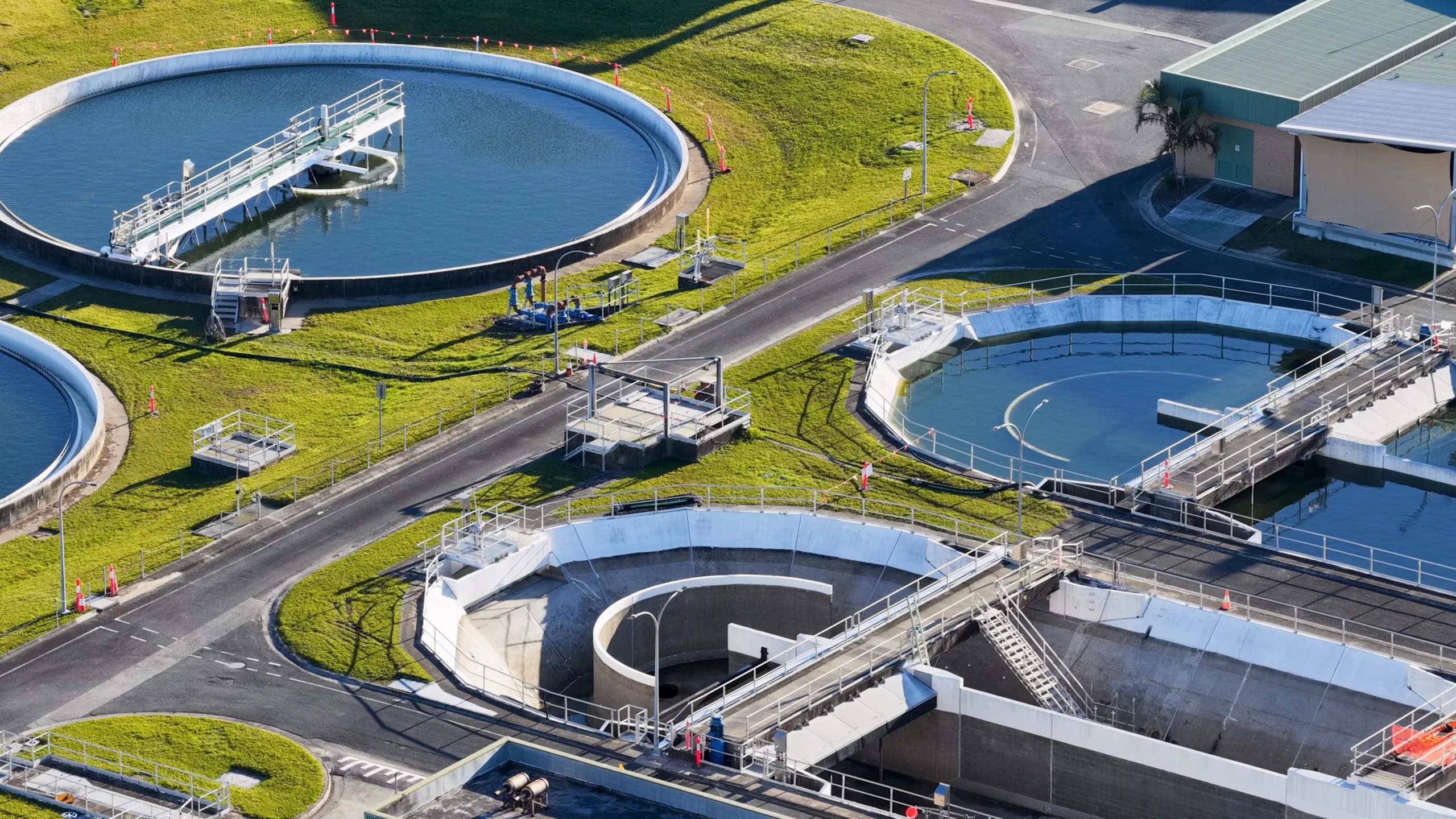
Desalination plant heat exchangers from the UAE: we build high-alloy heat exchange equipment for MSF, MED and RO desalination plants.
View Sector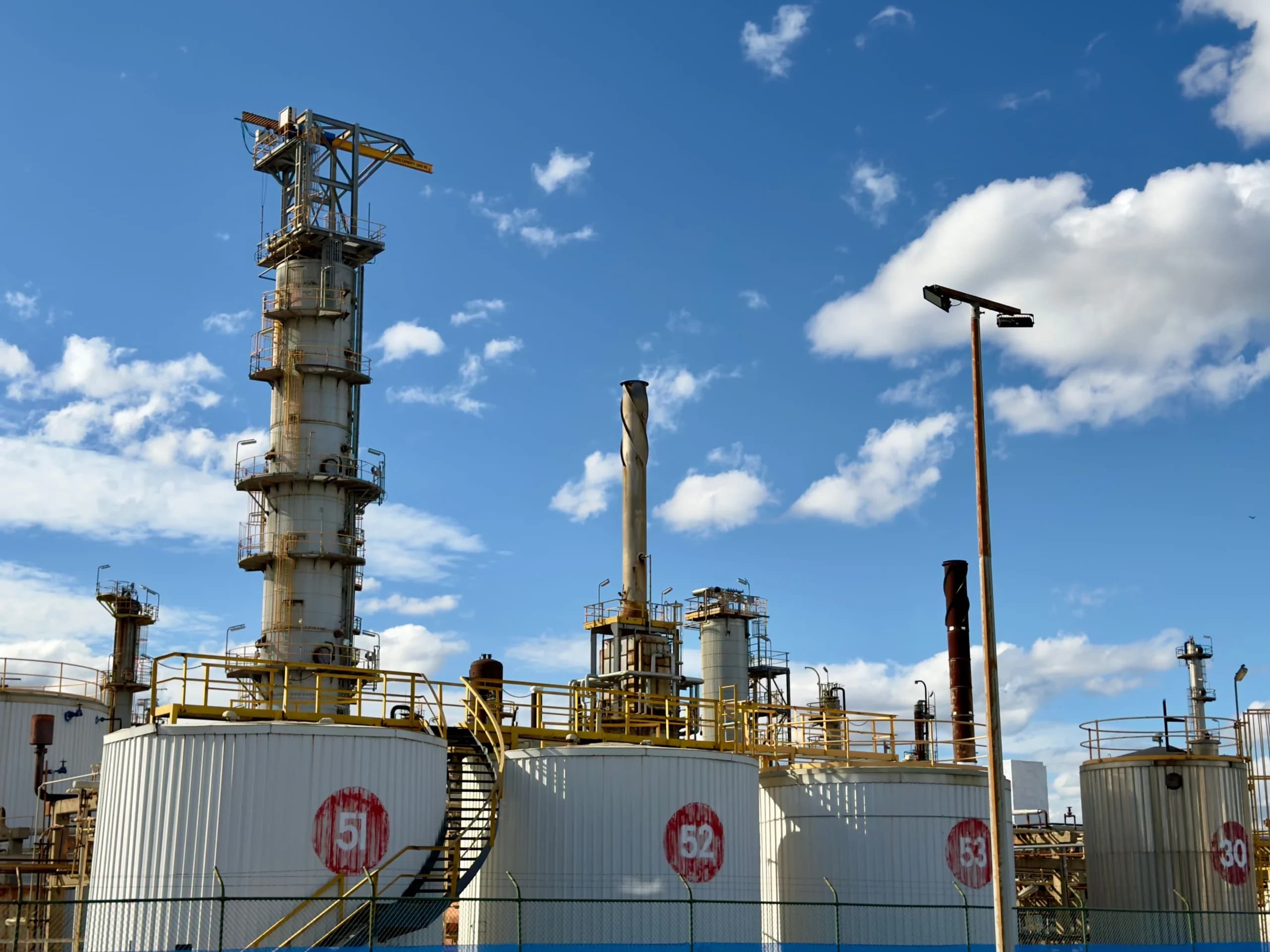
Heat exchangers for chemical plants in the UAE: corrosion-resistant exchangers and vessels for acids, alkalis and speciality chemistry.
View Sector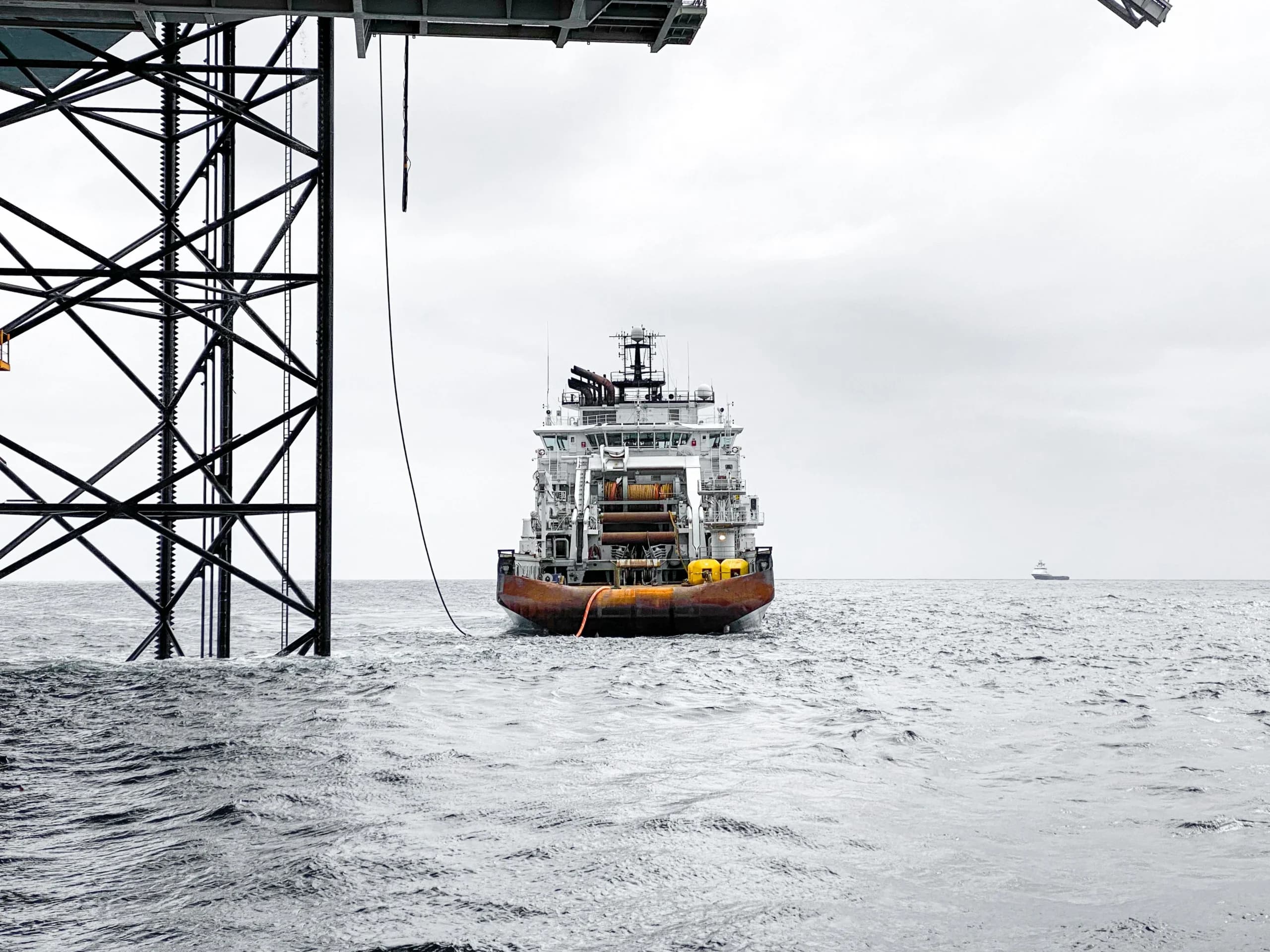
Marine heat exchangers built in Abu Dhabi: compact, seawater-tolerant cooling systems for vessels, rigs and offshore platforms.
View SectorFlow rates, inlet and outlet temperatures, operating pressures, fluid compositions and allowable pressure drop for both sides. If some of that is uncertain, we can begin with stated assumptions and refine as data firms up.
HTRI Xchanger Suite for thermal rating and PV Elite for mechanical code calculation, with ANSYS used for finite-element analysis where a case needs it.
Yes. We work from the existing unit and its nozzle positions so the replacement fits the current foundations and piping without modification.
Yes, against TEMA criteria as part of the design rather than as an optional extra. Vibration is one of the most common causes of premature tube failure and it is a geometry problem best solved before fabrication.
Fouling allowances are selected from the actual service and your intended cleaning interval. Default values from a table are a starting point for discussion, not an answer.
Yes. Rerating establishes what the installed unit can deliver under the new conditions, which frequently shows that replacement is unnecessary.
Yes. ASME U2 Section VIII Div.1 calculations form part of the issued package, along with general arrangement drawings and datasheets.
Send your process data through the RFQ form. If a datasheet already exists we can work from it directly, and if not we will tell you what is missing.
Send your duty requirements or existing datasheet, and our engineers will confirm the right configuration.
Design codes, materials and testing scope confirmed for every heat exchanger design order.
Thermal software
HTRI Xchanger Suite
Mechanical software
PV Elite · ANSYS for finite-element cases
Codes
ASME U2 Section VIII Div.1 · TEMA R, C and B · API 660
Types covered
Shell & tube · air-cooled · plate · pressure vessels
Deliverables
Datasheets · GA drawings · code calculations · vibration check