
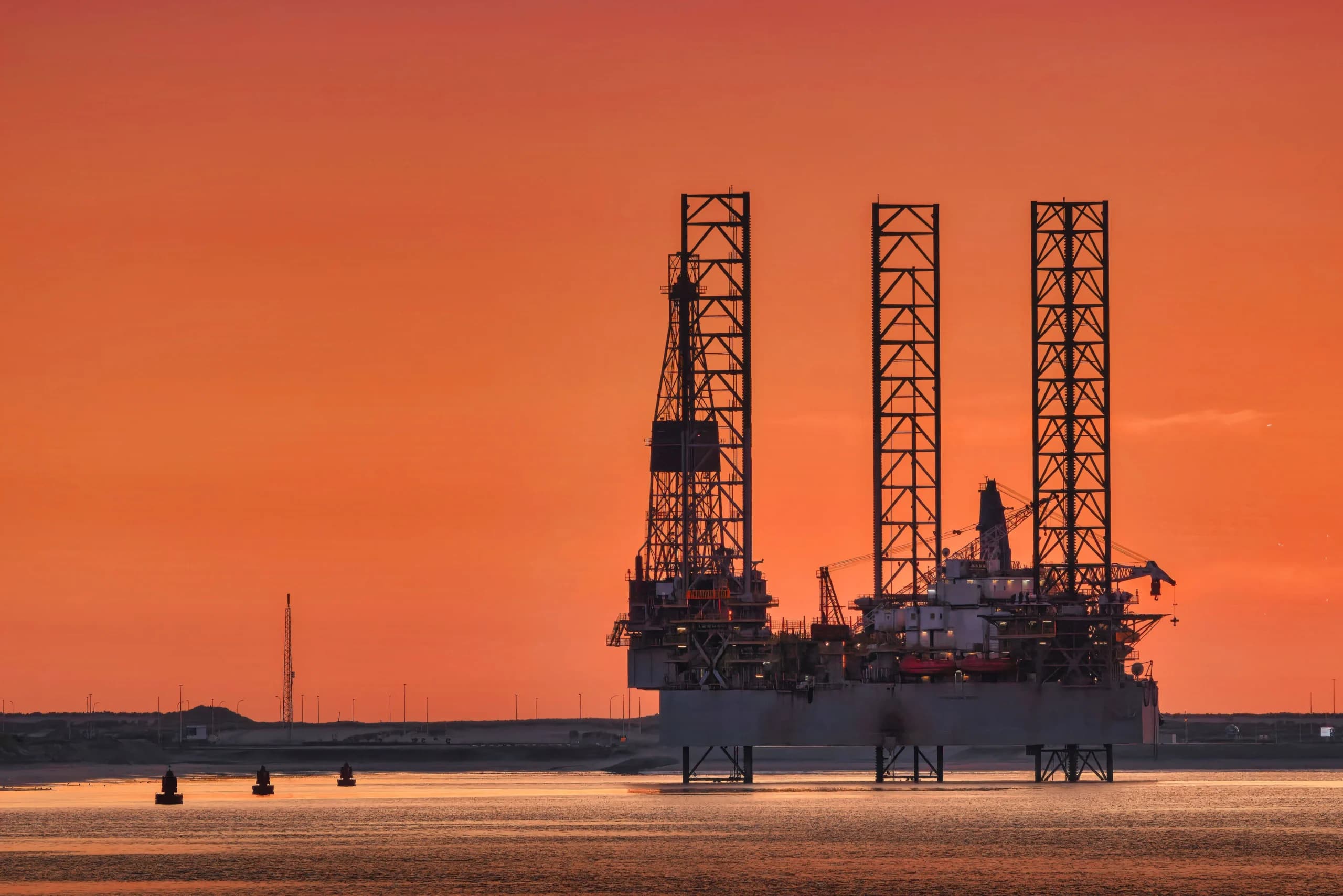
Oil & Gas
Heat exchangers for oil and gas in the UAE: thermal equipment engineered for upstream, midstream and refining service, built and serviced in Abu Dhabi.
View Sector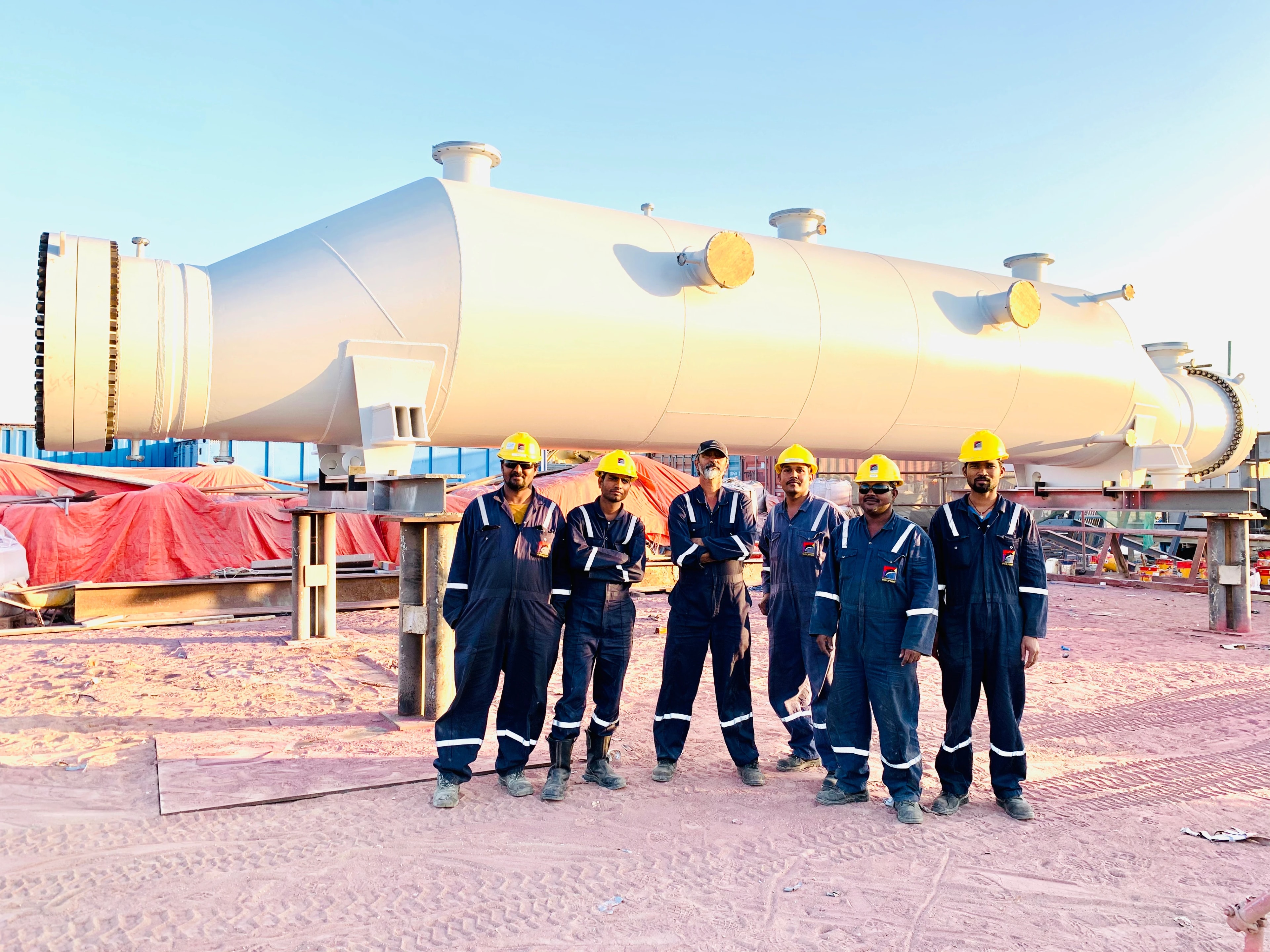
Heat exchanger metallurgy upgradation: material upgrade engineering for equipment that keeps failing, replacing the metallurgy rather than repeating the repair.
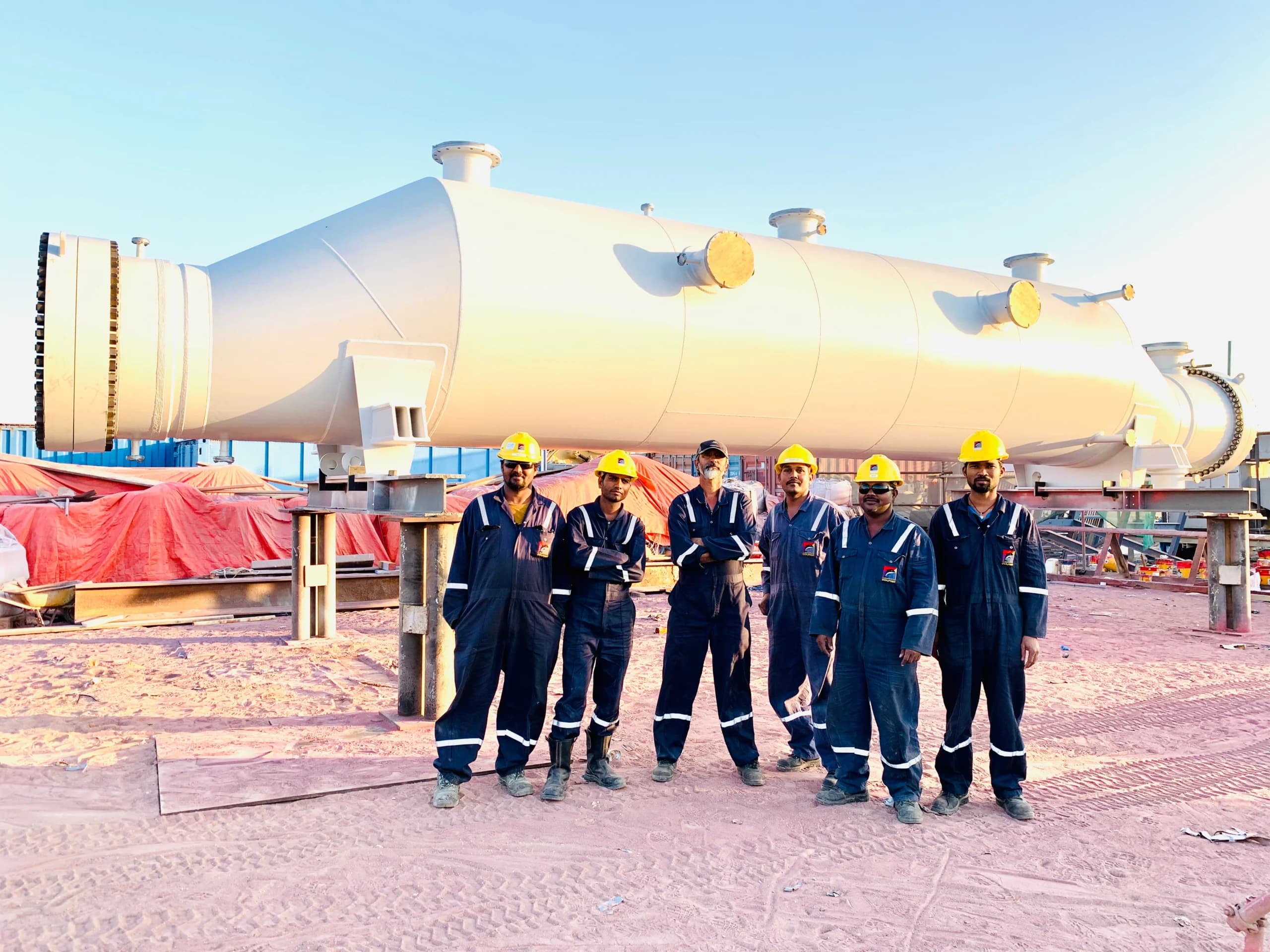
A material upgrade must be justified by the failure mechanism, not by moving up a general corrosion resistance ranking. The wrong upgrade can perform worse than the original.
The failure mechanism is established, since upgrading for the wrong mechanism wastes the investment entirely.
Actual service conditions are defined: chemistry, chlorides, temperature, velocity, pH and any upset excursions.
Candidate materials are evaluated against that specific mechanism, not against general corrosion tables.
Secondary effects are checked, including galvanic compatibility with adjacent materials, thermal conductivity and expansion differences.
Engineered against the specific failures that cost operators downtime, contamination or wasted energy.
Equipment that corrodes or cracks repeatedly is telling you the material is wrong for the service. Replacing like with like buys the same interval again at the same cost.
Process changes such as higher chlorides, altered pH or increased temperature can move a material outside its safe envelope without anything in the equipment changing.
Short equipment life forces frequent outages and large spares holdings. Those costs are usually larger than the one-time premium of a correct material, but they are spread out and therefore easier to ignore.
Our repair and root-cause work records which materials survive specific Gulf services, which is better evidence than a general corrosion table.
Titanium, duplex and nickel alloys are fabricated in our own facility with the contamination control they require.
Where the failure is caused by velocity, chemistry control or design rather than material, we will say so instead of selling an upgrade that will not help.
What sets metallurgy upgradation from Dolphin Group apart, in specific and measurable terms.
Material selected against the identified failure mechanism rather than moved up a generic resistance ranking.
Upgrade premium set against the cost of repeated failure, outage and spares so the decision rests on total cost.
Thermal performance recalculated where conductivity changes, so the upgraded unit still meets its duty.
Compatibility with adjacent existing materials evaluated before the change is made.
Procedures and welder qualifications to ASME U2 Section IX established for the new material.
Alloy fabrication performed in-house with the segregation and controls that exotic materials require.
Design codes, materials and testing scope confirmed for every metallurgy upgradation order.
Stainless steels
304/316L · duplex 2205 · super duplex 2507
Copper alloys
Admiralty brass · 90/10 and 70/30 cupronickel
High alloys
Titanium · Incoloy · Inconel · Hastelloy
Construction options
Solid alloy · clad plate · weld overlay
Qualification
ASME U2 Section IX welding procedures and welder qualification
Metallurgy Upgradation in service, sector by sector, application by application.
Heat exchangers for oil and gas in the UAE: thermal equipment engineered for upstream, midstream and refining service, built and serviced in Abu Dhabi.
View Sector
Desalination plant heat exchangers from the UAE: we build high-alloy heat exchange equipment for MSF, MED and RO desalination plants.
View Sector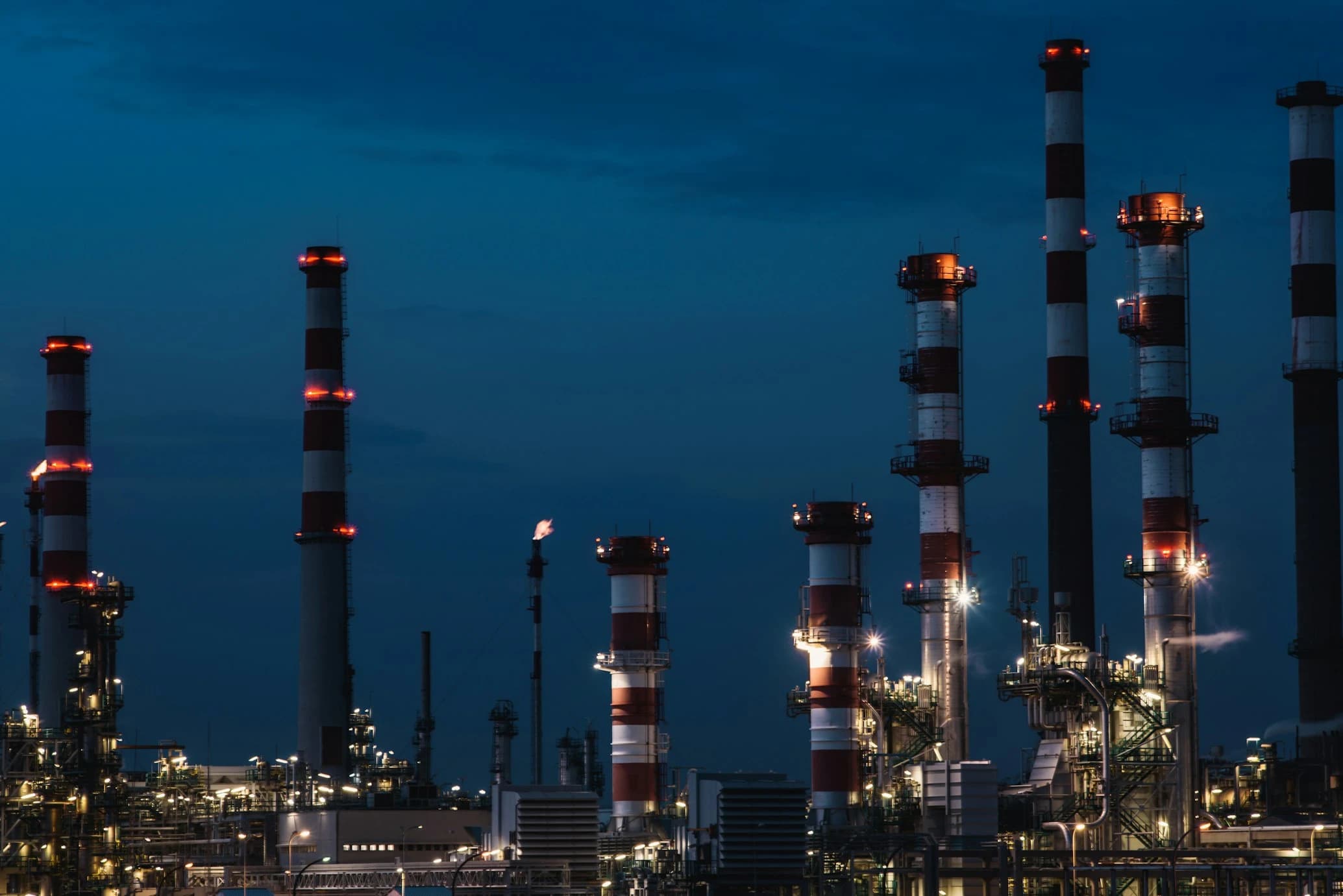
Heat exchangers for petrochemical plants in the UAE: we build exchangers and reboilers for crackers, polymer plants and aromatics complexes worldwide.
View Sector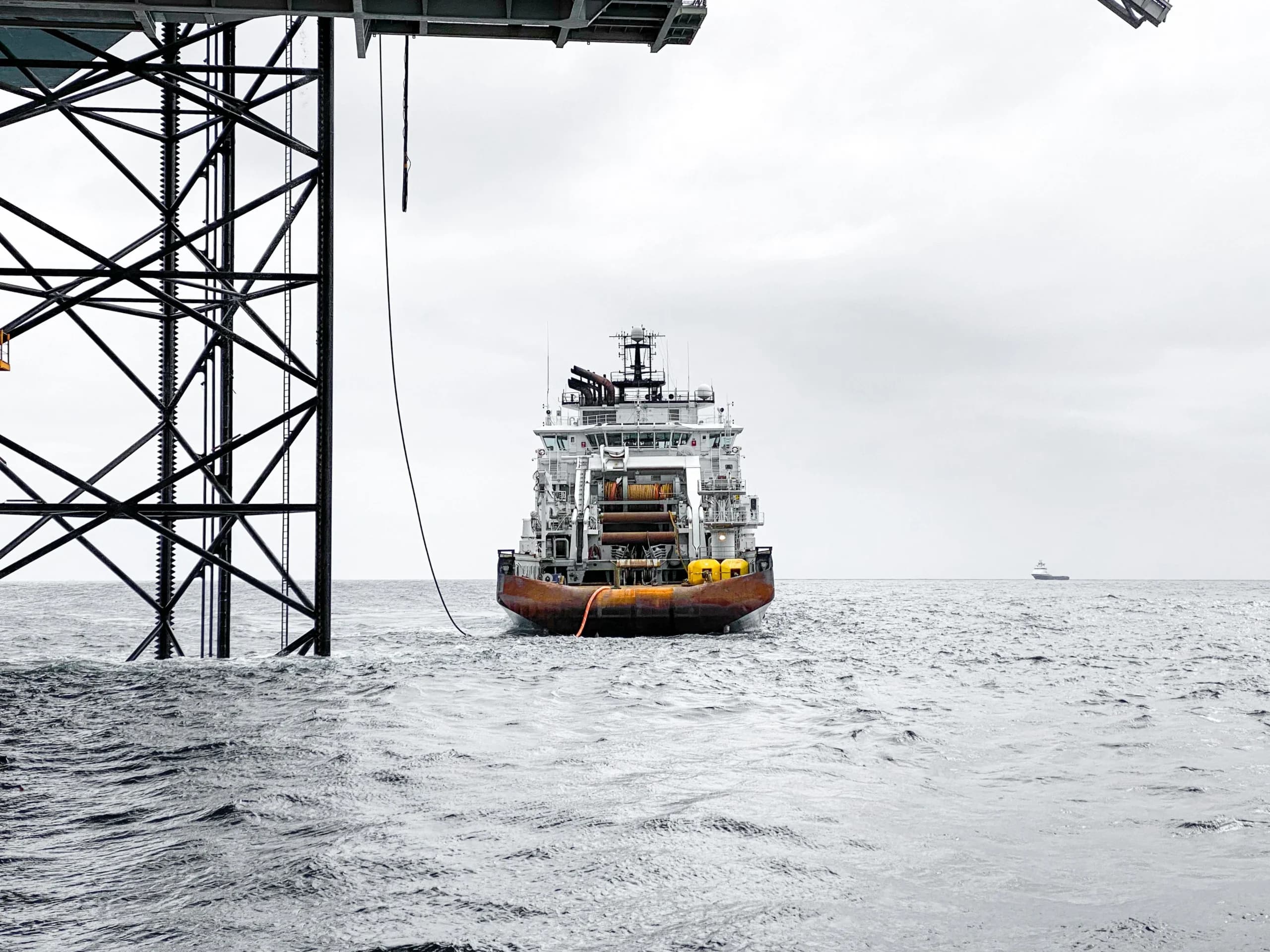
Marine heat exchangers built in Abu Dhabi: compact, seawater-tolerant cooling systems for vessels, rigs and offshore platforms.
View Sector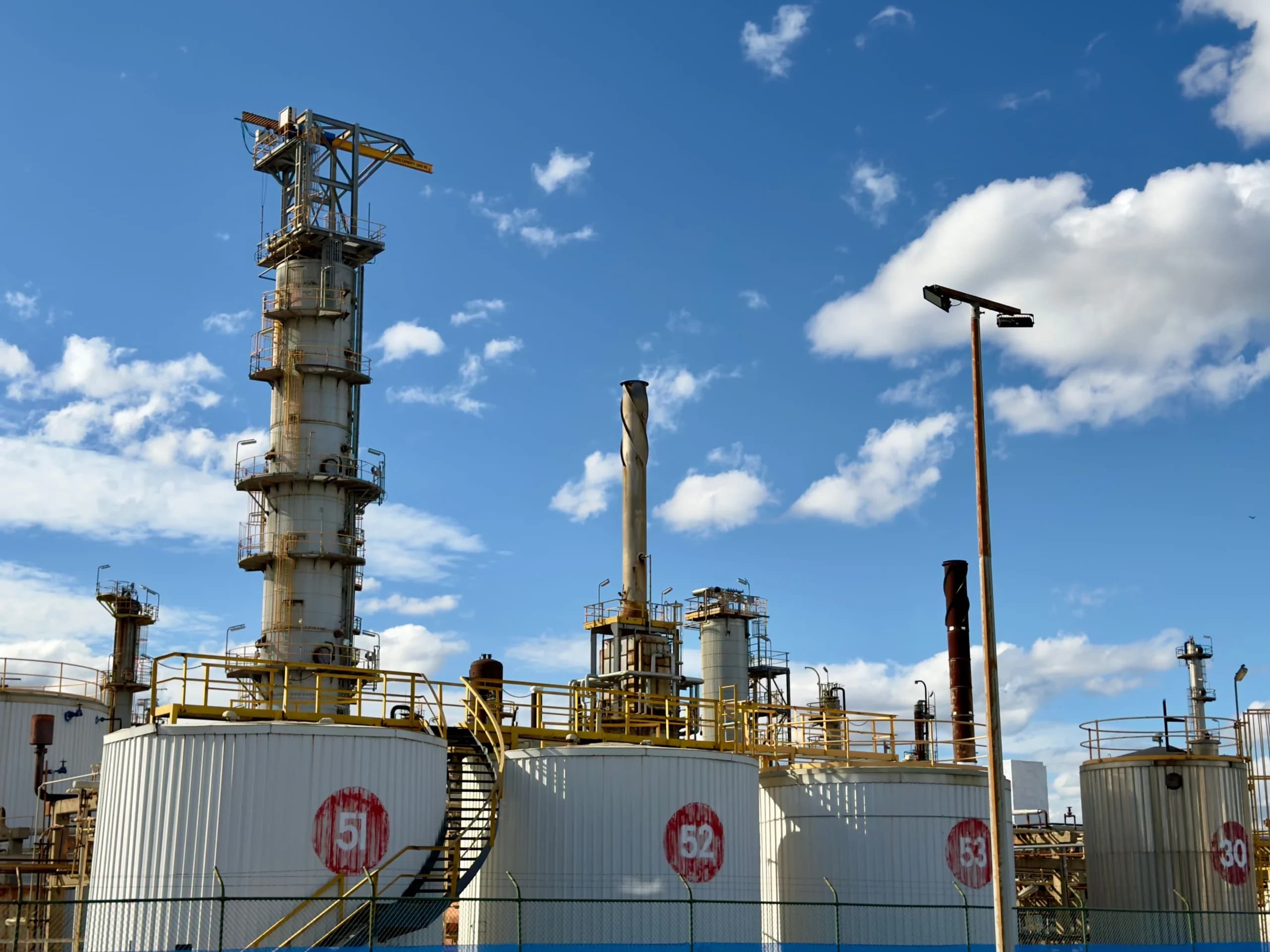
Heat exchangers for chemical plants in the UAE: corrosion-resistant exchangers and vessels for acids, alkalis and speciality chemistry.
View Sector
Heat exchangers for power plants in the UAE: HEI-standard condensers, coolers and heat recovery equipment for conventional and renewable generation.
View SectorIt will only help if the failure mechanism is material-related. That is why we establish the mechanism first. Failures caused by excessive velocity, poor water chemistry or vibration will continue after an upgrade, and in those cases we will recommend against it.
No, and this is a frequent and expensive error. Austenitic stainless steels are vulnerable to chloride stress corrosion cracking in warm seawater, where cupronickel performs well. The correct choice depends on the specific service.
In seawater and high-chloride service where standard stainless steels crack and copper alloys erode at the velocities required. Super duplex offers higher chloride resistance again, at a higher cost.
Usually yes. Higher alloys generally have lower thermal conductivity, and titanium and stainless steels conduct heat considerably less well than copper alloys. We recalculate duty and adjust surface area or wall thickness accordingly.
Yes, and that is often the right scope since tubes are usually the component that fails. Galvanic compatibility with the existing tubesheet and shell must be checked first.
A corrosion-resistant alloy layer bonded to a carbon steel backing. The alloy handles the corrosive environment while the carbon steel provides structural strength, which is significantly cheaper than solid alloy on large units.
By comparing the premium against the cost of repeated failures, including outage, lost production and spares. Where a unit fails every two years, a material that lasts ten usually pays for itself well within its life.
Provide your service conditions and failure history through the RFQ form. If a failed component is available, retain it, as it is the strongest evidence for identifying the mechanism.
Send your duty requirements or existing datasheet, and our engineers will confirm the right configuration.
Design codes, materials and testing scope confirmed for every metallurgy upgradation order.
Stainless steels
304/316L · duplex 2205 · super duplex 2507
Copper alloys
Admiralty brass · 90/10 and 70/30 cupronickel
High alloys
Titanium · Incoloy · Inconel · Hastelloy
Construction options
Solid alloy · clad plate · weld overlay
Qualification
ASME U2 Section IX welding procedures and welder qualification