
Oil & Gas
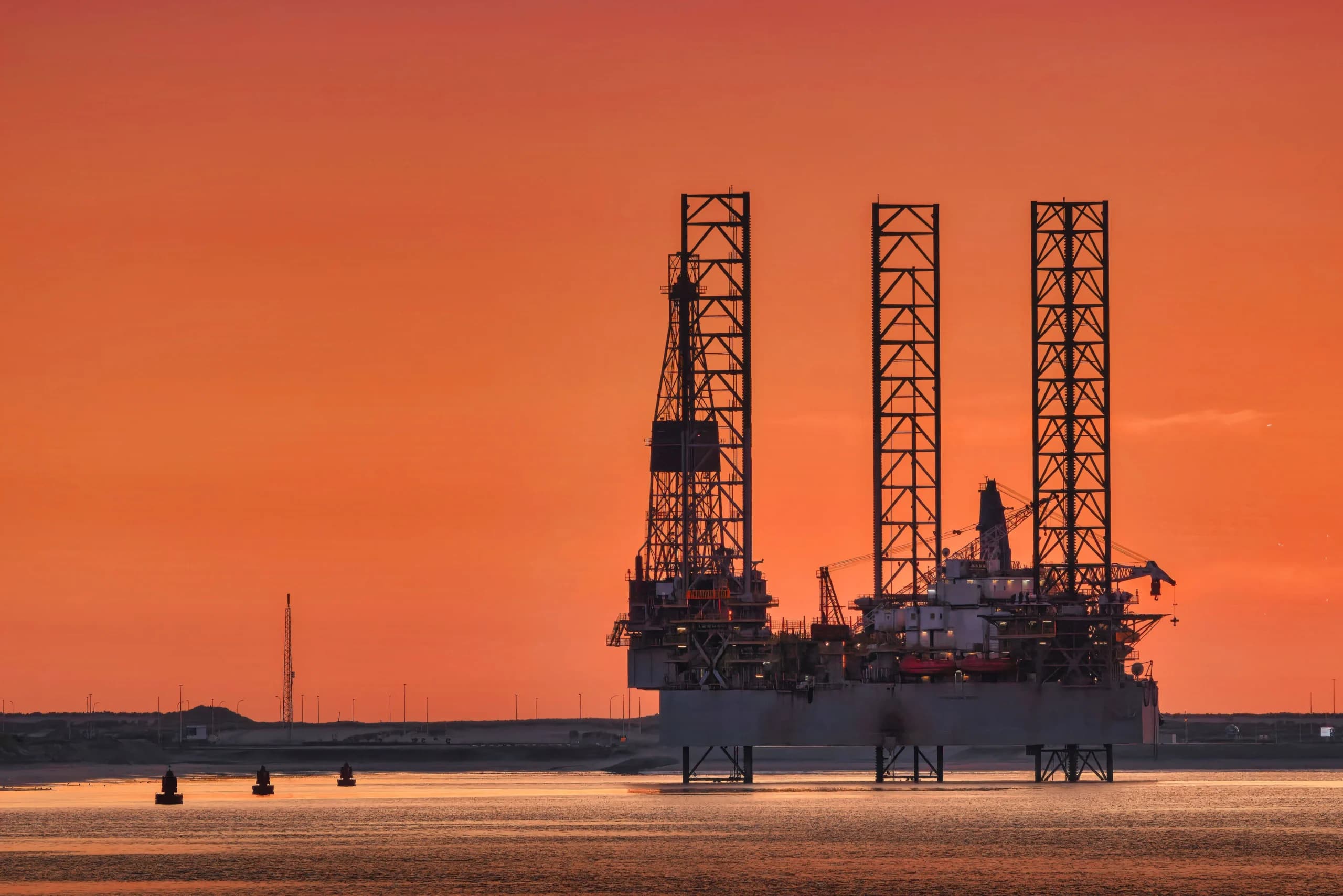
Heat exchangers for oil and gas in the UAE: thermal equipment engineered for upstream, midstream and refining service, built and serviced in Abu Dhabi.
View Sector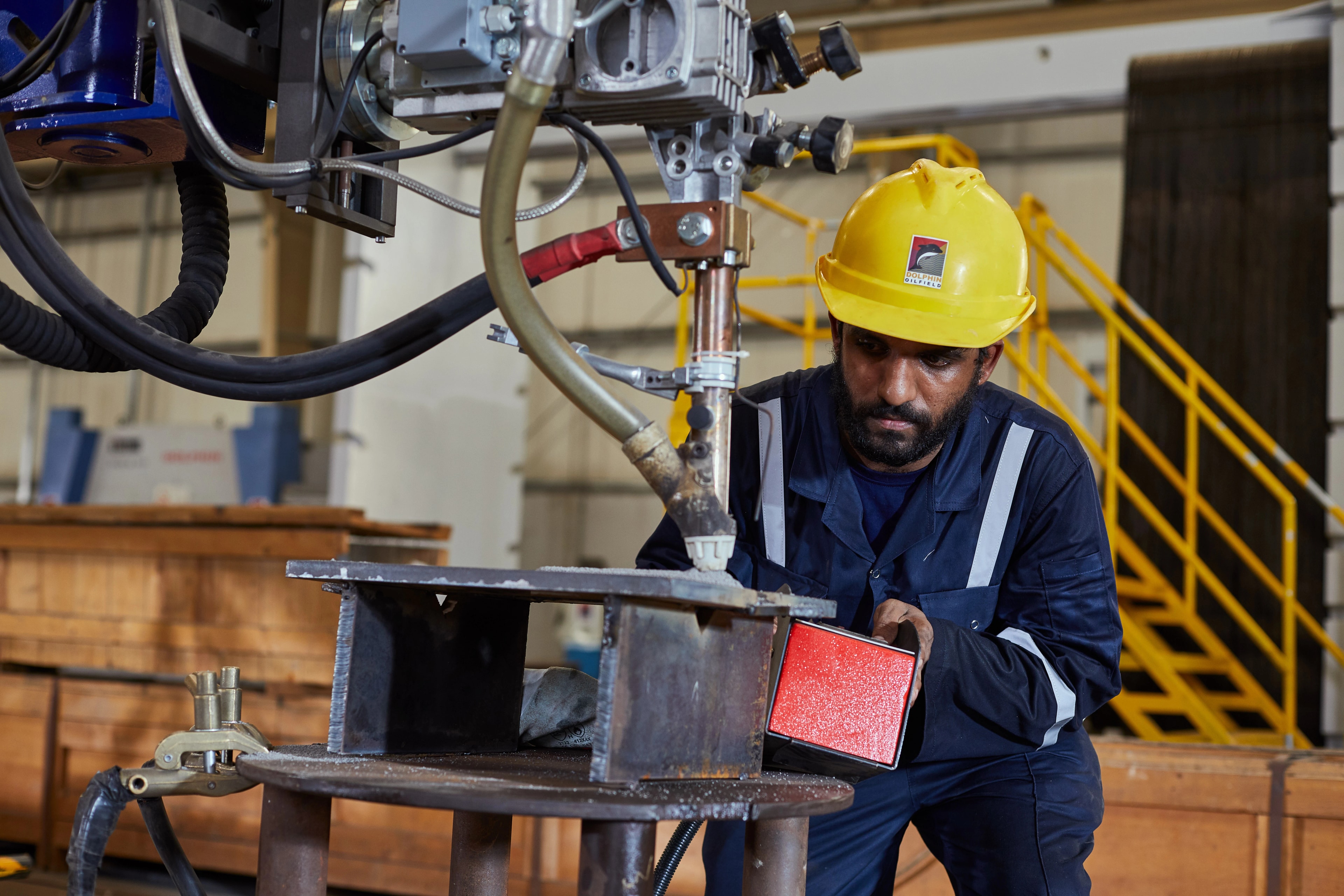
Heat exchanger failure root cause analysis in the UAE: metallurgical and engineering investigation that establishes why equipment failed, so the corrective action addresses the cause rather than the symptom.
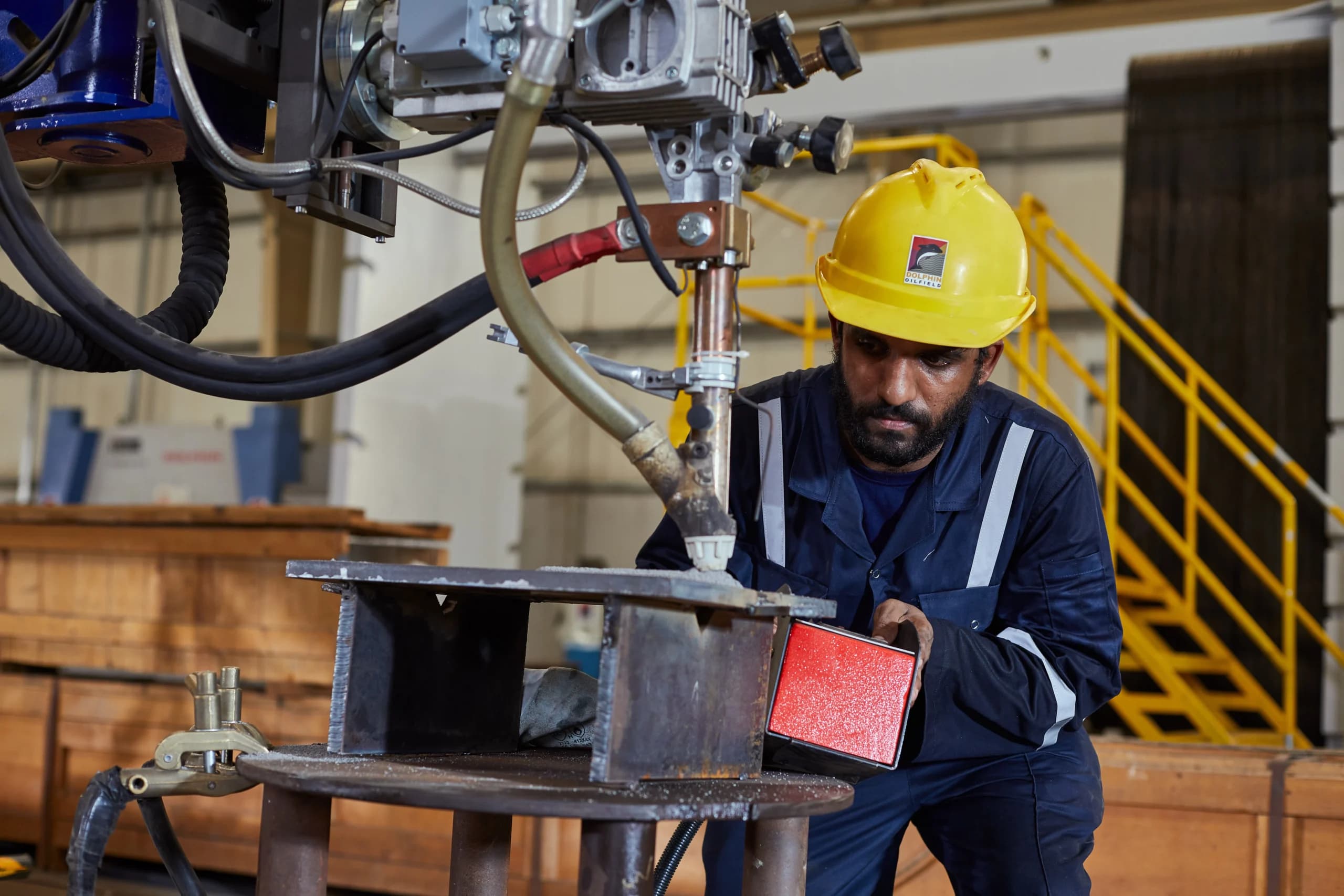
An investigation moves from evidence to mechanism to cause. Skipping to a conclusion is what produces repeat failures, so each stage is completed before the next begins.
Failure history, operating data and process conditions are collected before the unit is disturbed further.
Visual and dimensional examination records the failure location, orientation and distribution across the unit.
Samples are taken for metallurgical examination, including microstructure, wall loss and deposit analysis.
The failure mechanism is identified, for example pitting, stress corrosion cracking, erosion, vibration fatigue or thermal fatigue.
Engineered against the specific failures that cost operators downtime, contamination or wasted energy.
Equipment that fails twice for the same reason was never diagnosed the first time. Replacing a failed component without identifying the mechanism simply resets the clock on the same outcome.
Failures frequently originate outside the equipment, in flow distribution, water chemistry or operating practice. An investigation confined to the failed part will miss those causes entirely.
Unexplained failures make maintenance planning guesswork, which pushes operators towards conservative intervals and spares holdings that cost more than the investigation would have.
Seeing hundreds of failed units a year builds pattern recognition that a laboratory working from samples alone does not develop.
Seawater cooling, high ambient and high-salinity service produce characteristic failures we encounter constantly.
Because we design and fabricate as well, a conclusion changes the replacement rather than sitting in a report.
What sets failure root cause analysis from Dolphin Group apart, in specific and measurable terms.
Metallurgical evidence distinguishes mechanisms that present identically, which is what makes corrective action correct.
Investigation extends into design, chemistry and operation rather than stopping at the failed part.
Recommendations name the change to make, whether material, geometry, chemistry or interval, and what it is expected to achieve.
Findings from one unit are applied across similar equipment before the same mechanism reaches it.
Documented findings support claims where a failure is attributable to supply or workmanship.
Conclusions feed directly into replacement design, so the rebuilt unit does not inherit the original fault.
Design codes, materials and testing scope confirmed for every failure root cause analysis order.
Examination
Visual · dimensional · microstructural · deposit analysis
Mechanisms covered
Pitting · SCC · erosion-corrosion · vibration fatigue · thermal fatigue · creep
Supporting analysis
HTRI rerating · ANSYS stress and thermal analysis
Deliverable
Report with evidence, mechanism, cause and corrective actions
Follow-on
Redesign, material upgrade or revised inspection interval
Failure Root Cause Analysis in service, sector by sector, application by application.
Heat exchangers for oil and gas in the UAE: thermal equipment engineered for upstream, midstream and refining service, built and serviced in Abu Dhabi.
View Sector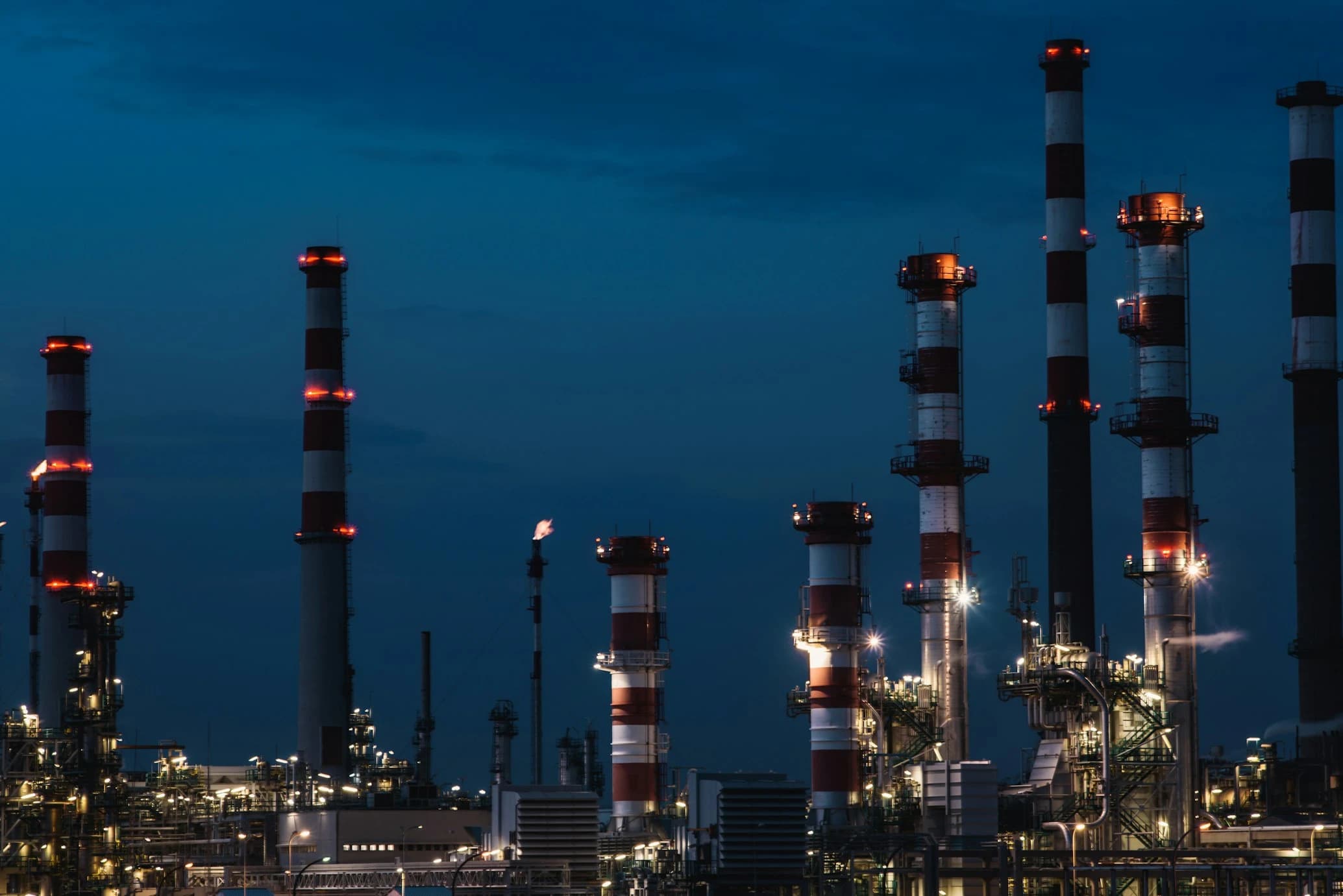
Heat exchangers for petrochemical plants in the UAE: we build exchangers and reboilers for crackers, polymer plants and aromatics complexes worldwide.
View Sector
Heat exchangers for power plants in the UAE: HEI-standard condensers, coolers and heat recovery equipment for conventional and renewable generation.
View Sector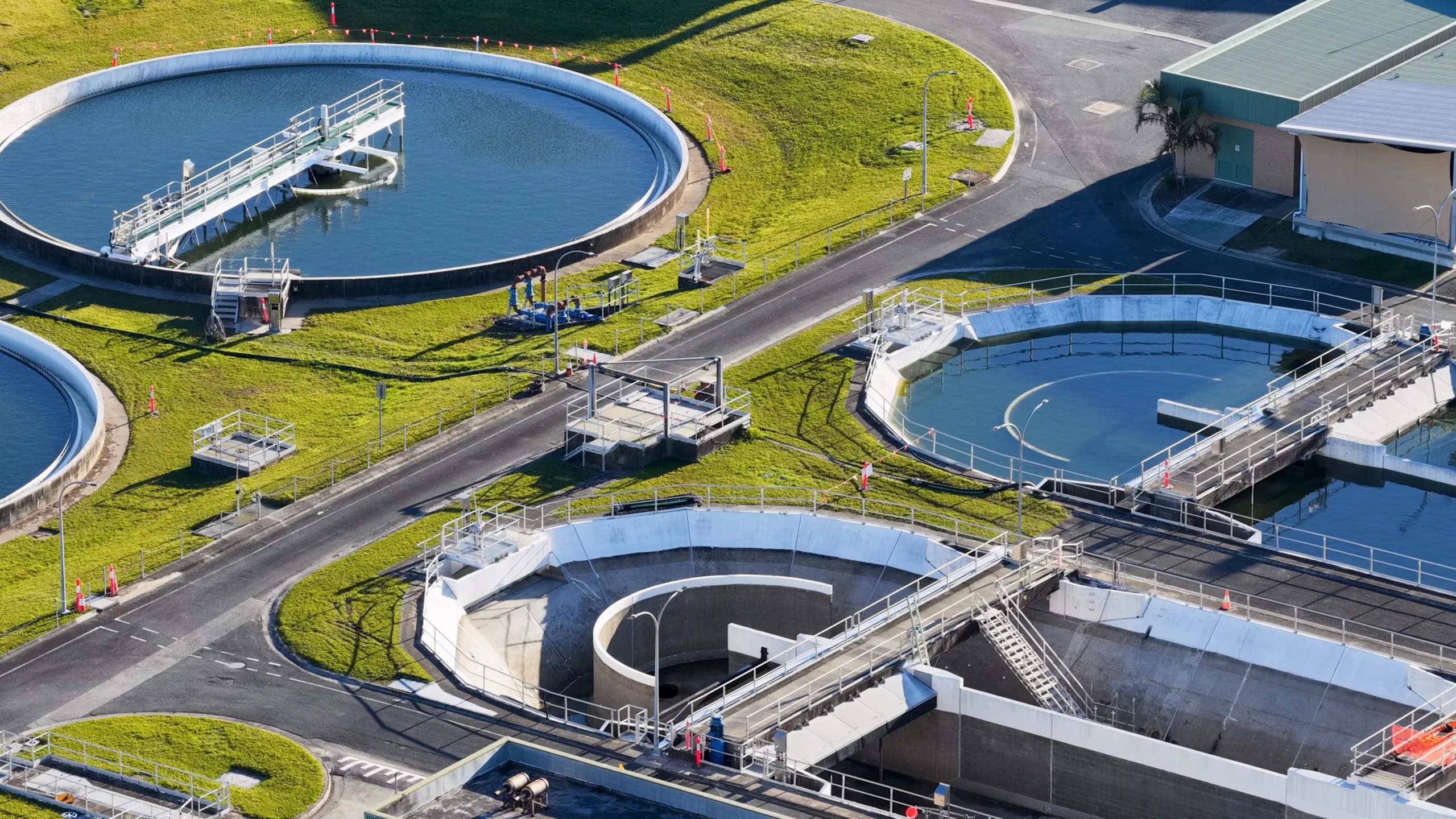
Desalination plant heat exchangers from the UAE: we build high-alloy heat exchange equipment for MSF, MED and RO desalination plants.
View Sector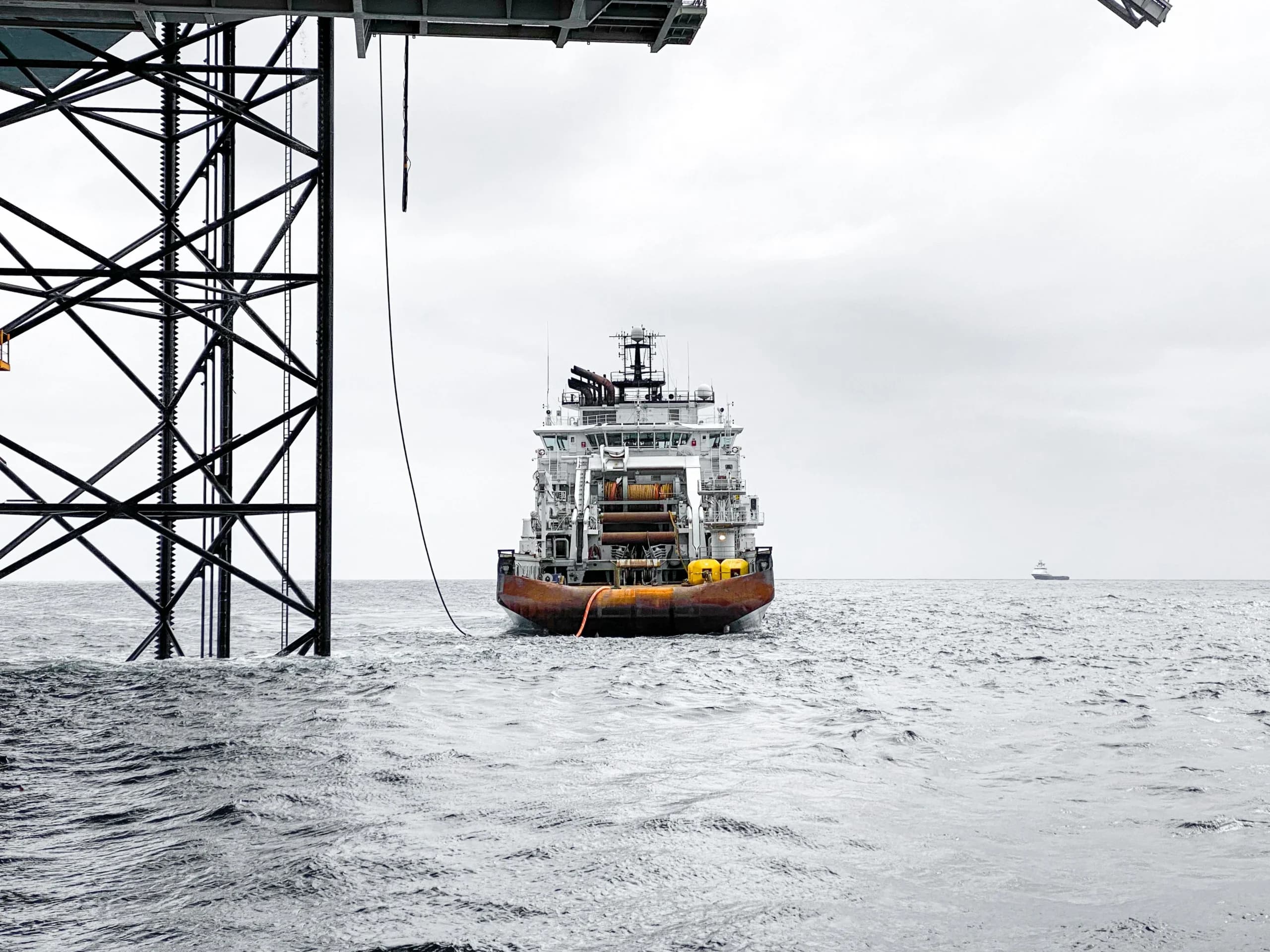
Marine heat exchangers built in Abu Dhabi: compact, seawater-tolerant cooling systems for vessels, rigs and offshore platforms.
View Sector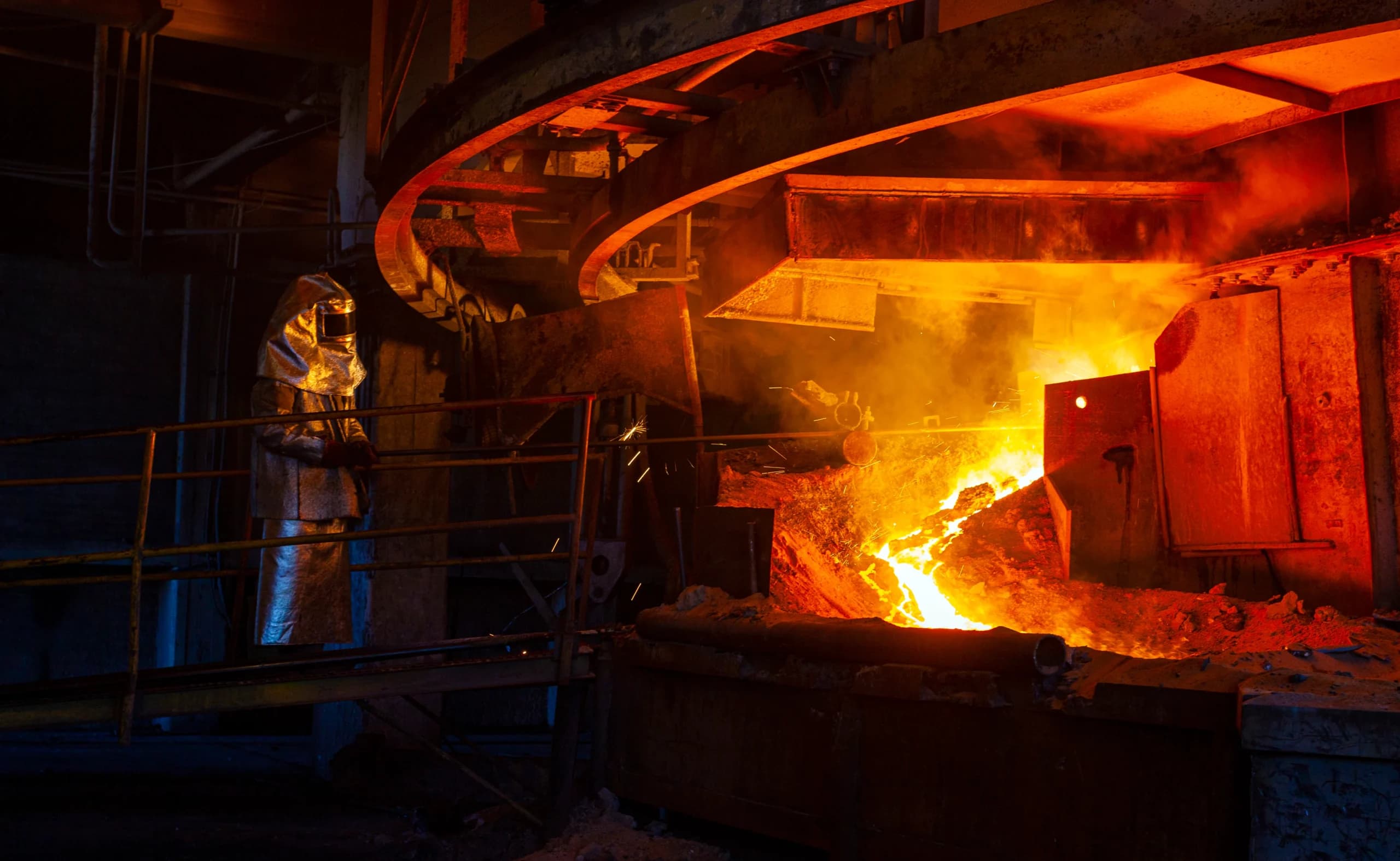
Steel plant heat exchangers and cooling equipment: furnace cooling, quench systems and dust-laden gas coolers built for the hardest environments in industry.
View SectorThe failed component where possible, together with operating history, process conditions and any previous failure records. The component matters most, so it should be retained rather than cleaned or scrapped.
Often yes, though the evidence is reduced. Retained samples, photographs and operating data still support a conclusion, but the confidence is lower than with an undisturbed component.
A straightforward mechanism can be established in days. Cases needing detailed metallurgy, rerating or operational review take longer, and we confirm expected duration once the scope is clear.
In Gulf service the recurring mechanisms are chloride pitting and stress corrosion cracking in seawater duty, erosion-corrosion at tube inlets, flow-induced vibration damage near baffles, and thermal fatigue in cycling service.
Yes. The report ends in specific corrective actions, for example a material change, a geometry revision, a chemistry adjustment or a revised inspection interval, each tied to the mechanism it addresses.
Yes, and they usually should be. Where similar equipment runs similar duty, the same mechanism is typically developing at a similar rate.
Yes. Most investigation work is on other manufacturers equipment.
Contact us with the failure details and retain the component. We will confirm what evidence to preserve before anything further is done to the unit.
Send your duty requirements or existing datasheet, and our engineers will confirm the right configuration.
Design codes, materials and testing scope confirmed for every failure root cause analysis order.
Examination
Visual · dimensional · microstructural · deposit analysis
Mechanisms covered
Pitting · SCC · erosion-corrosion · vibration fatigue · thermal fatigue · creep
Supporting analysis
HTRI rerating · ANSYS stress and thermal analysis
Deliverable
Report with evidence, mechanism, cause and corrective actions
Follow-on
Redesign, material upgrade or revised inspection interval