

Oil & Gas
Heat exchangers for oil and gas in the UAE: thermal equipment engineered for upstream, midstream and refining service, built and serviced in Abu Dhabi.
View Sector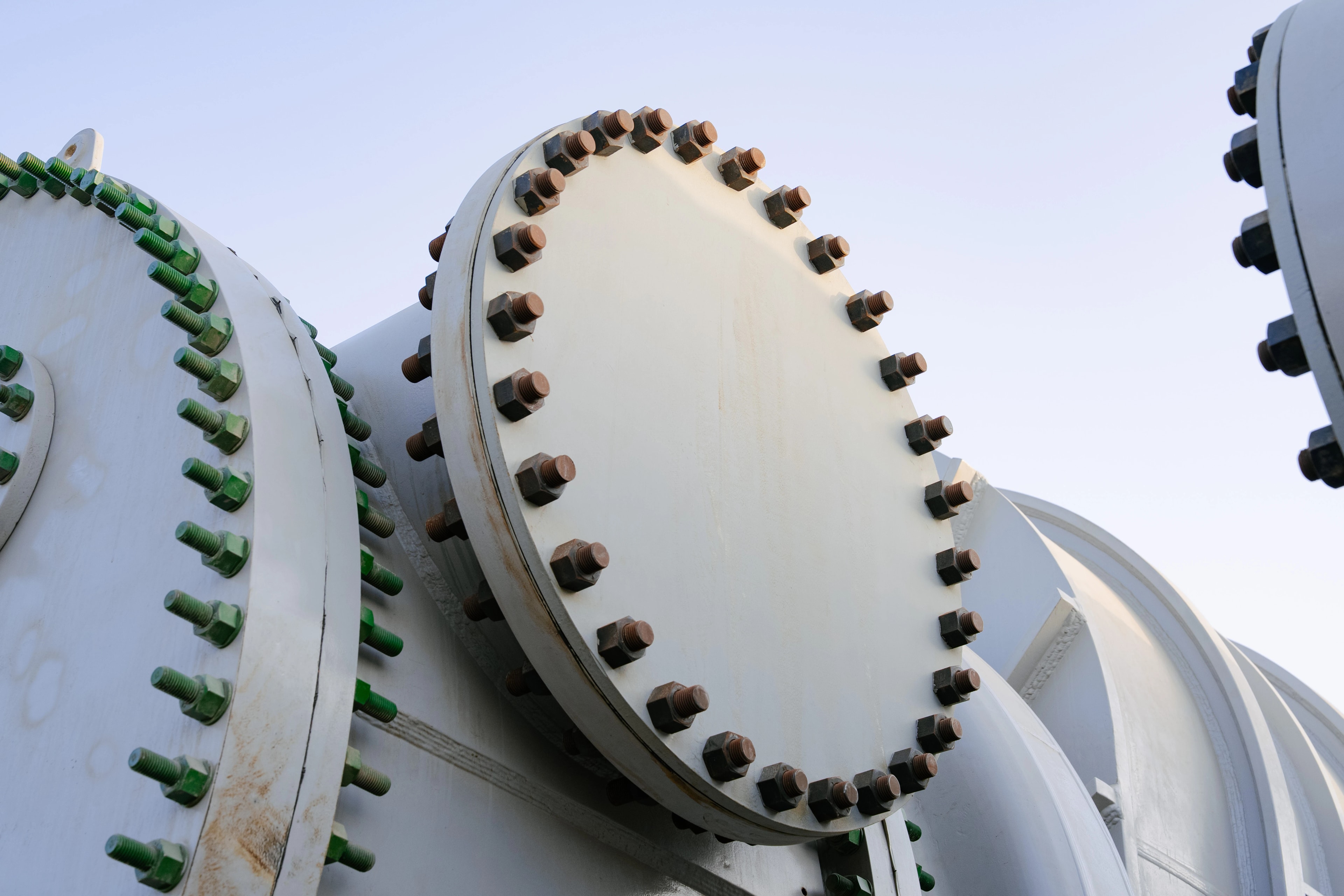
Heat exchanger feasibility study: technical and commercial evaluation that establishes whether a thermal project is worth doing, before engineering budget is committed to it.
A study answers a defined question with enough accuracy to support a decision, and no more. Its value lies in reaching a defensible answer before detailed engineering spend begins.
The question is defined precisely, along with the decision it must support and the accuracy that decision requires.
Existing equipment and current performance are established from operating data rather than from original design figures.
Technical options are developed, each taken far enough to be costed and compared on a consistent basis.
Each option is evaluated for technical viability, covering equipment capability, layout, utilities and operability.
Engineered against the specific failures that cost operators downtime, contamination or wasted energy.
Projects committed on optimistic assumptions tend to be discovered as unworkable during detailed engineering, when the cost of changing direction is far higher than it was at the outset.
Capacity increases and process changes interact with existing equipment in ways that are not obvious. A study establishes which units become the constraint before the change is made.
Capital is finite and competing proposals rarely present comparable numbers. Without a consistent basis of evaluation, funding follows the most confident case rather than the best one.
Recommendations reflect real equipment, real lead times and real fabrication cost because we manufacture as well as advise.
Our maintenance work shows how equipment actually performs after years in service, which is the correct baseline for a study.
Where the answer is that existing equipment is adequate, we report that. A rerate that avoids a purchase is a legitimate outcome.
What sets feasibility studies from Dolphin Group apart, in specific and measurable terms.
Technical and cost evaluation replacing assumption, before significant engineering budget is committed.
Rating of existing equipment against current duty finds the real bottleneck rather than the assumed one.
Every option developed to the same depth and costed on the same basis, making the comparison meaningful.
Findings presented with the assumptions and their sensitivity, so the reader can judge the confidence.
Conclusions framed against equipment that can actually be built and delivered, not idealised solutions.
The study team can carry the work through detailed design and fabrication without a knowledge handover.
Design codes, materials and testing scope confirmed for every feasibility studies order.
Study types
Debottlenecking · revamp · replacement · energy efficiency
Technical basis
HTRI rating · pinch analysis · PV Elite mechanical check
Cost basis
Study-level capital and operating cost estimates with stated exclusions
Inputs required
Current operating data · equipment drawings · objectives and constraints
Deliverable
Report with options, evaluation, costs, recommendation and risks
Feasibility Studies in service, sector by sector, application by application.
Heat exchangers for oil and gas in the UAE: thermal equipment engineered for upstream, midstream and refining service, built and serviced in Abu Dhabi.
View Sector
Heat exchangers for petrochemical plants in the UAE: we build exchangers and reboilers for crackers, polymer plants and aromatics complexes worldwide.
View Sector
Heat exchangers for power plants in the UAE: HEI-standard condensers, coolers and heat recovery equipment for conventional and renewable generation.
View Sector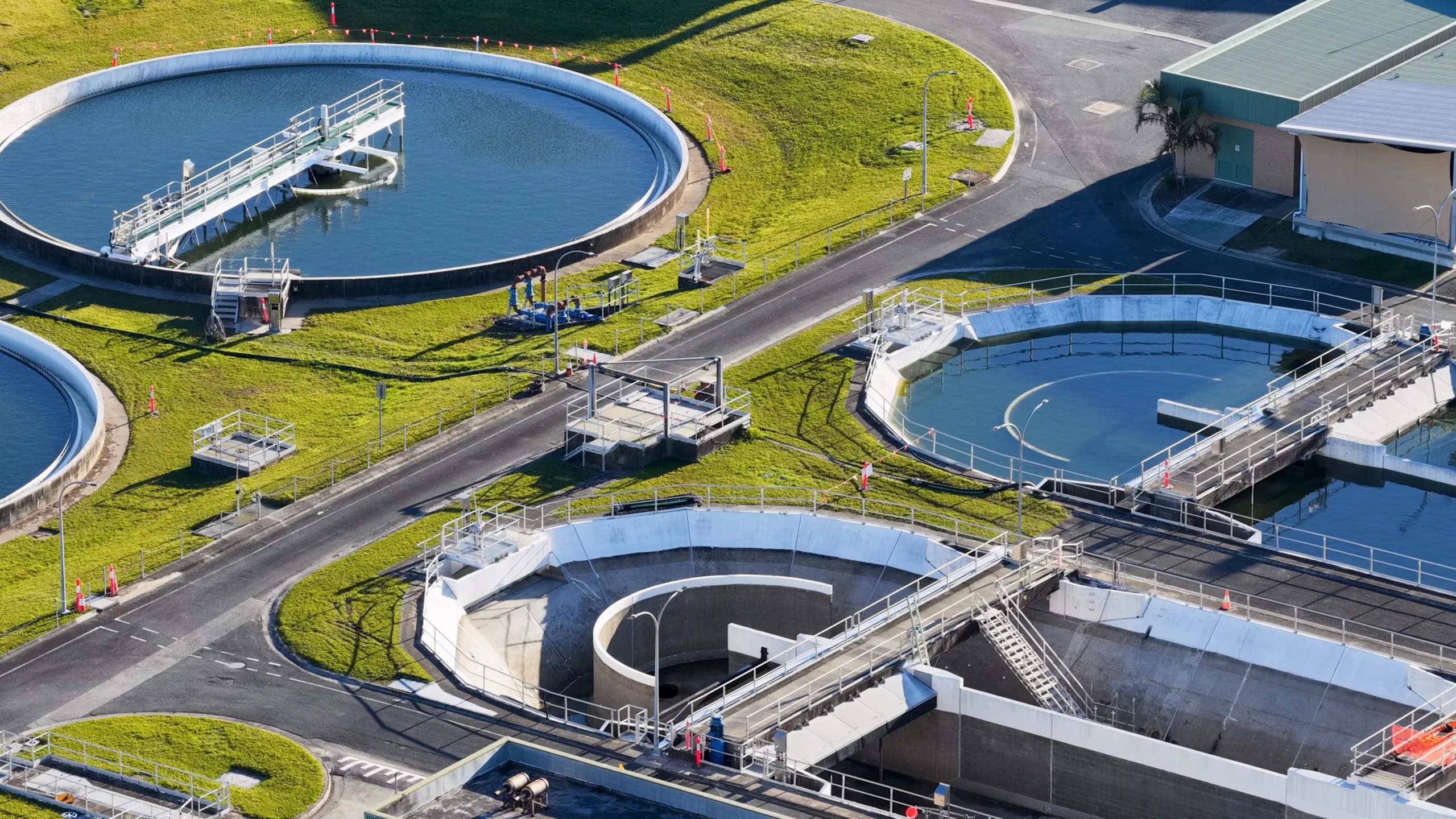
Desalination plant heat exchangers from the UAE: we build high-alloy heat exchange equipment for MSF, MED and RO desalination plants.
View Sector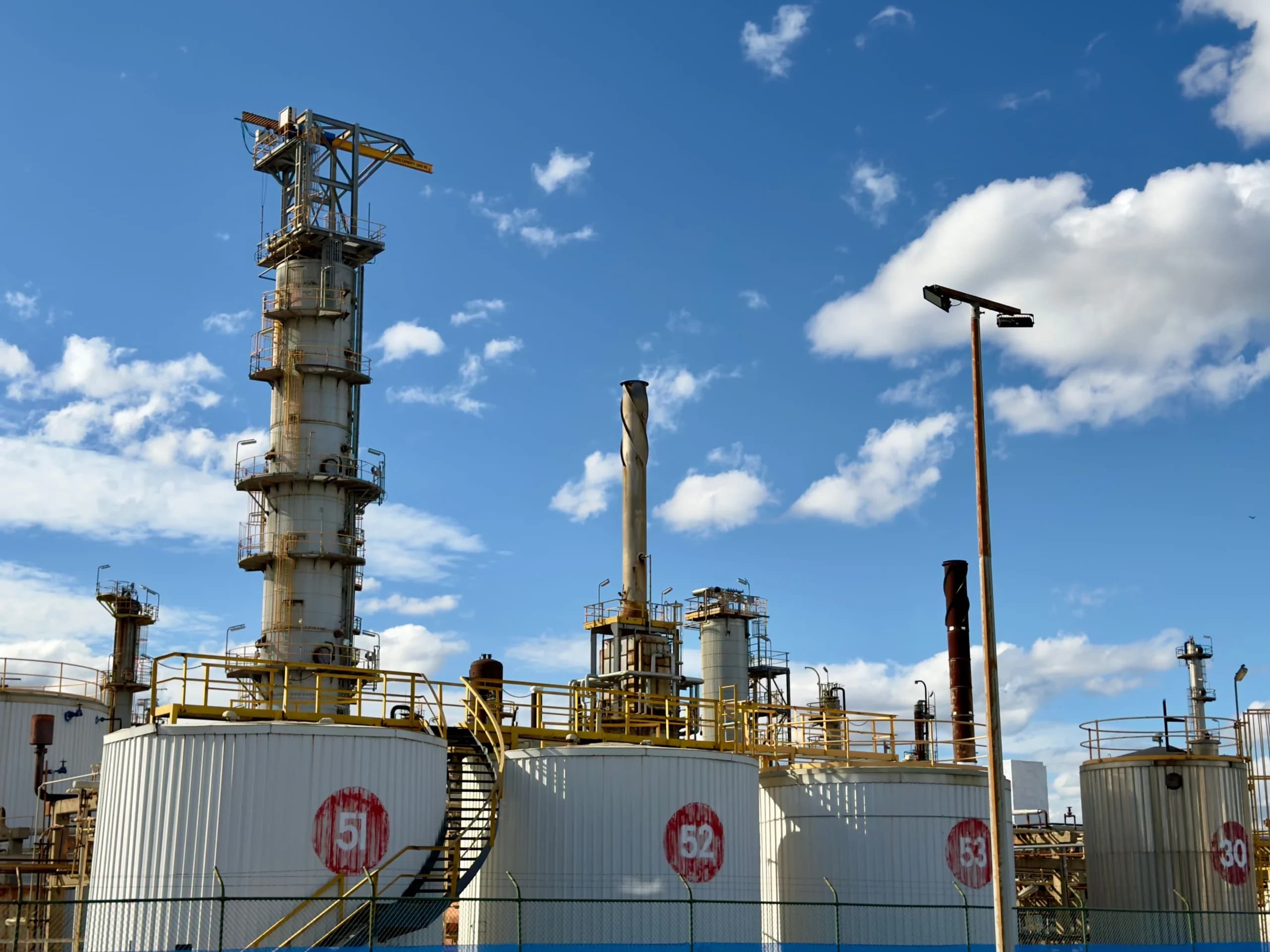
Heat exchangers for chemical plants in the UAE: corrosion-resistant exchangers and vessels for acids, alkalis and speciality chemistry.
View Sector
Facilities management HVAC and chiller maintenance in the UAE: building services cooling and mechanical maintenance for commercial and mixed-use developments at Gulf ambient temperatures.
View SectorIt establishes whether a proposed change is technically viable and commercially worthwhile. That includes evaluating existing equipment capability, developing options, estimating costs and recommending a way forward with the assumptions stated.
They are study-level estimates, intended for comparing options and supporting a decision to proceed rather than for contract pricing. We state the basis and the exclusions so the accuracy is not overstated.
Yes, and that is a valid and valuable result. Rerating frequently shows that existing equipment can meet a new duty, which avoids capital spend entirely.
Current operating data rather than original design figures, equipment drawings or datasheets, and a clear statement of the objective and any constraints such as budget, plot space or shutdown windows.
By rating each unit against its current duty using actual operating data. The constraint is often not where it is assumed to be, and finding it correctly is usually the most valuable part of the study.
It depends on scope and data availability. A focused single-unit assessment is quick, while a multi-option plant-wide study takes considerably longer. We agree the timescale with the scope at the outset.
Yes, and that continuity avoids a handover. It also means recommendations are grounded in equipment we know can be built, costed and delivered.
Contact us with your objective and current operating data, and we will confirm the scope, data requirements and timescale.
Send your duty requirements or existing datasheet, and our engineers will confirm the right configuration.
Design codes, materials and testing scope confirmed for every feasibility studies order.
Study types
Debottlenecking · revamp · replacement · energy efficiency
Technical basis
HTRI rating · pinch analysis · PV Elite mechanical check
Cost basis
Study-level capital and operating cost estimates with stated exclusions
Inputs required
Current operating data · equipment drawings · objectives and constraints
Deliverable
Report with options, evaluation, costs, recommendation and risks