

Facilities Management
Facilities management HVAC and chiller maintenance in the UAE: building services cooling and mechanical maintenance for commercial and mixed-use developments at Gulf ambient temperatures.
View Sector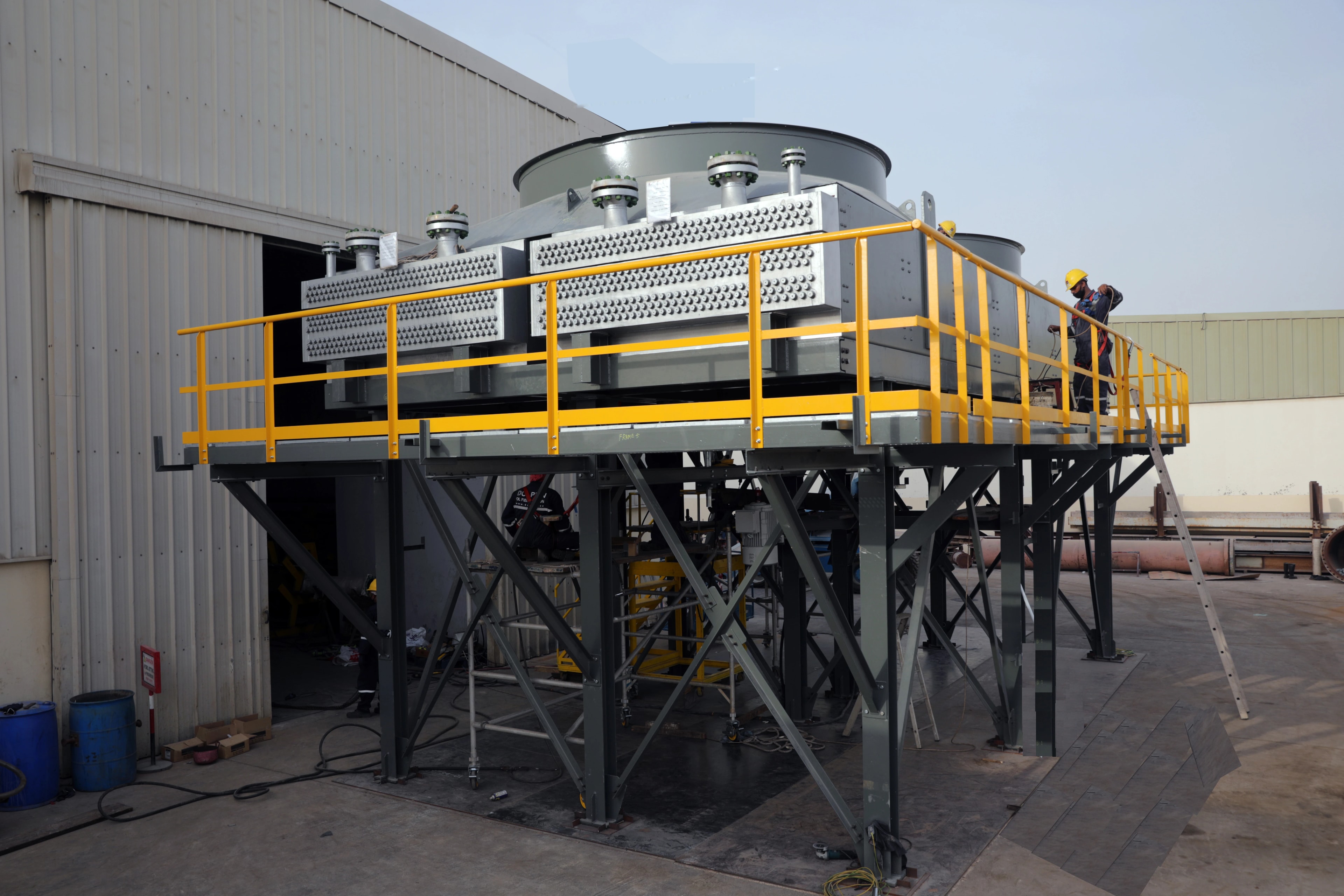
HVAC design services in the UAE: load calculation, equipment selection and system design for industrial and commercial HVAC, engineered for sustained 50°C ambient operation.
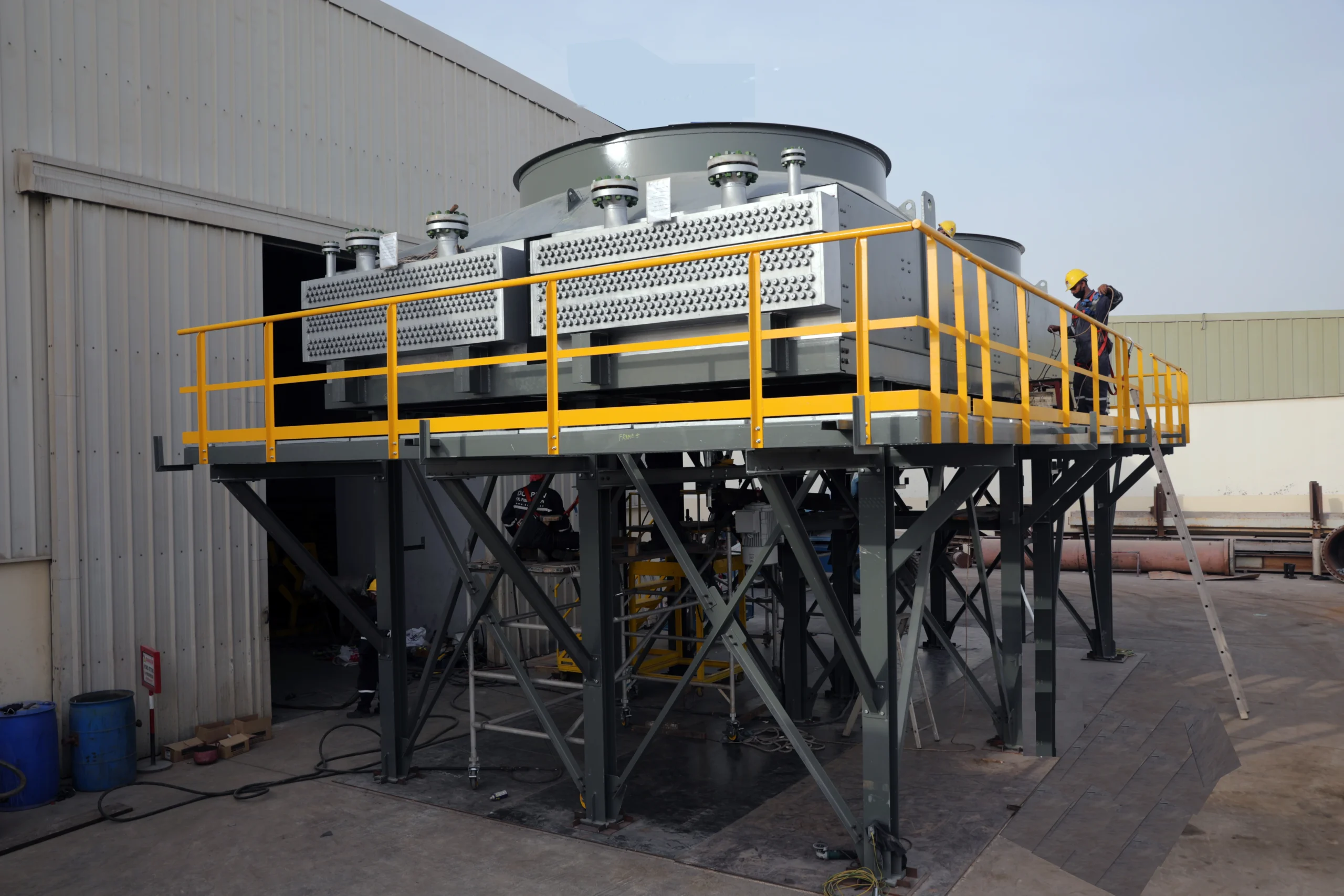
HVAC design starts from a calculated load rather than an assumed one, because every downstream selection inherits the error if the load is wrong.
Heat load is calculated from building fabric, orientation, occupancy, lighting, equipment and fresh air requirements.
Design conditions are set against actual regional summer ambient rather than generic catalogue reference conditions.
System type is selected to suit the application: chilled water, direct expansion, packaged or precision cooling.
Equipment is sized at the real design condition, with derating applied where high ambient reduces rated capacity.
Engineered against the specific failures that cost operators downtime, contamination or wasted energy.
Equipment selected against temperate-climate catalogue ratings runs continuously at the top of its envelope in Gulf summer, which shortens compressor and coil life well before the design figures suggest.
In pharmaceutical, data centre and food production environments, temperature and humidity control is part of the process. Loss of control is a quality and compliance event, not a comfort complaint.
Oversizing is the most common fault in regional HVAC design. Oversized plant short-cycles, dehumidifies poorly and consumes more energy than a correctly sized system while being blamed for less.
Coils and heat exchangers are our core discipline, so the thermal element of an HVAC system is designed rather than selected from a table.
Forty years of Gulf operation means our selections reflect what equipment actually delivers here in August.
Coils and fabricated components can be built in-house to suit the design rather than the design being constrained to available stock.
What sets hvac design from Dolphin Group apart, in specific and measurable terms.
Room-by-room calculation replaces rule-of-thumb sizing, which is where most oversizing originates.
Capacity is verified at regional peak ambient, not at standard rating conditions that never occur here.
Systems designed for how they actually run, which is below peak for most of the year.
Coil design capability means the heat transfer element is engineered for the duty rather than taken from a catalogue.
Coil cleaning, filter changes and component replacement are considered while layout can still accommodate them.
Calculations and selections documented to support authority approval and commissioning sign-off.
Design codes, materials and testing scope confirmed for every hvac design order.
Design basis
ASHRAE methodology · regional peak ambient conditions
System types
Chilled water · DX · packaged · precision cooling
Scope
Load calculation · equipment selection · distribution design · controls specification
Applications
Industrial · commercial · cleanroom · data centre
Deliverable
Load schedules · equipment selections · layouts · specifications
HVAC Design in service, sector by sector, application by application.
Facilities management HVAC and chiller maintenance in the UAE: building services cooling and mechanical maintenance for commercial and mixed-use developments at Gulf ambient temperatures.
View SectorData center cooling systems in the UAE: high-availability cooling infrastructure for the world’s fastest-growing digital economy.
View Sector
Pharmaceutical heat exchangers and validated thermal systems for WFI, clean utilities and controlled process heating and cooling.
View Sector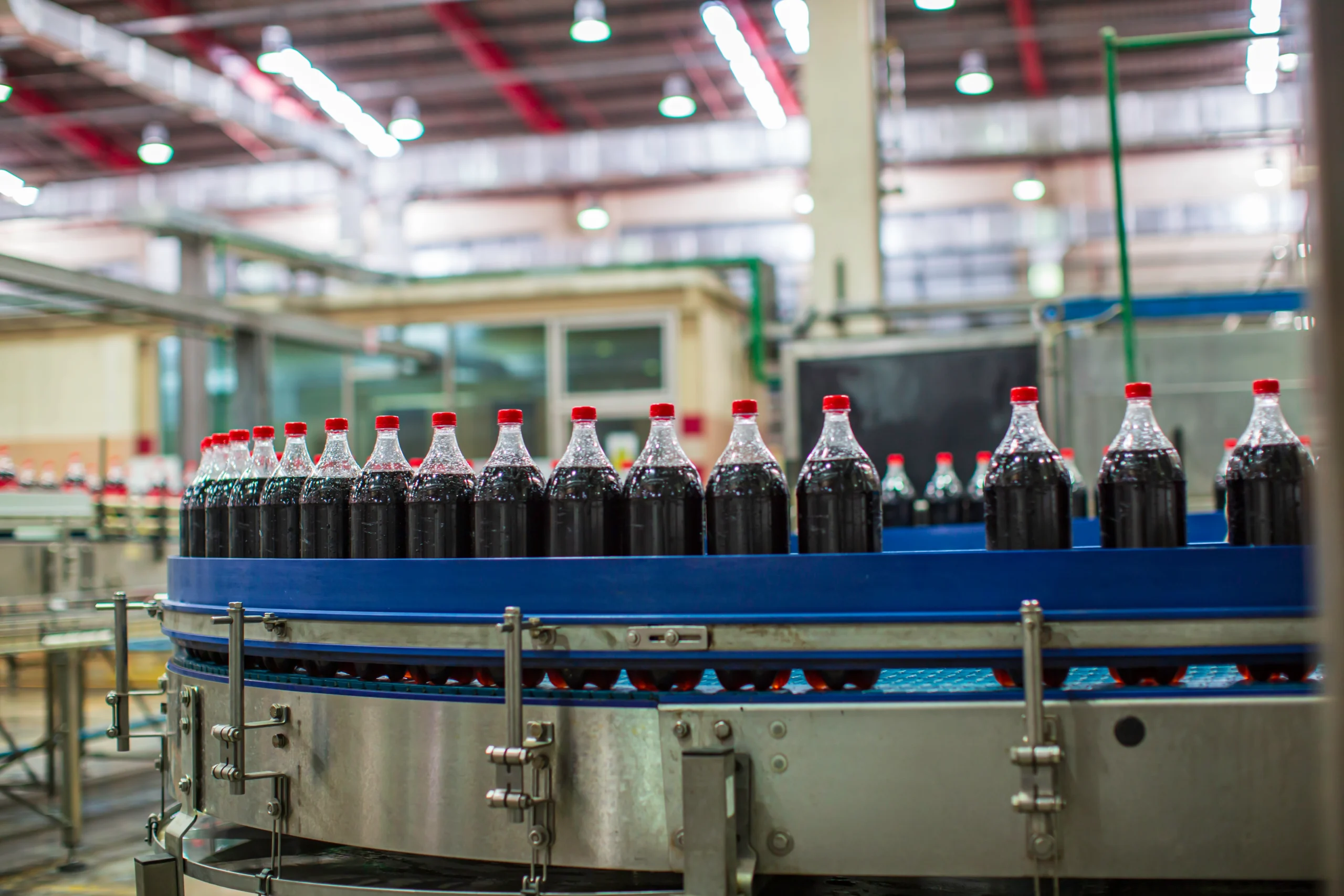
Food and beverage heat exchangers in the UAE: hygienic plate heat exchangers and process cooling for dairies, beverage lines and food processors.
View Sector
Heat exchangers for oil and gas in the UAE: thermal equipment engineered for upstream, midstream and refining service, built and serviced in Abu Dhabi.
View Sector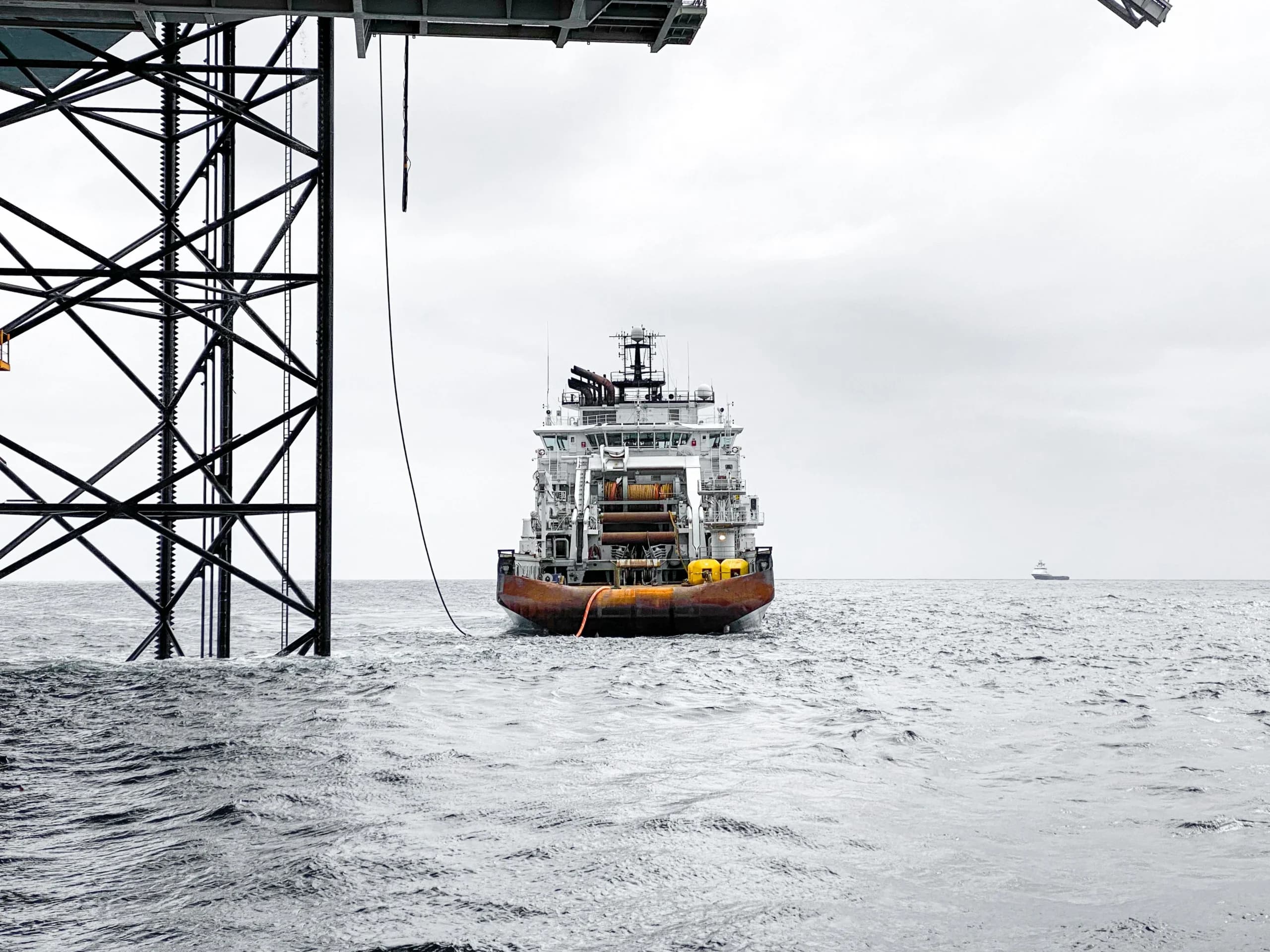
Marine heat exchangers built in Abu Dhabi: compact, seawater-tolerant cooling systems for vessels, rigs and offshore platforms.
View SectorAir-cooled equipment rejects heat to ambient air, so as ambient rises the condensing temperature rises and capacity falls. A unit rated at standard conditions can deliver noticeably less at 50°C, which is why selections must be verified at real peak ambient rather than catalogue conditions.
No, it is a common and costly fault. Oversized plant short-cycles, which harms compressor life, controls humidity poorly because run times are too short for adequate dehumidification, and consumes more energy than a correctly sized system.
Yes, including temperature and humidity control, pressure cascade between classified zones and filtration to the required classification.
Yes, covering precision cooling selection, containment strategy and redundancy arrangement appropriate to the availability target.
Yes. Retrofit work usually begins by recalculating the actual load, which frequently differs from the installed capacity and explains the performance complaint.
We design and manufacture coils and heat exchange components in-house, and specify other equipment to suit the design. We are not tied to a single manufacturer.
ASHRAE methodology for load calculation and system design, alongside applicable local authority requirements.
Send building drawings or a description of the facility, its use and any special requirements through the RFQ form, and we will confirm what else is needed.
Send your duty requirements or existing datasheet, and our engineers will confirm the right configuration.
Design codes, materials and testing scope confirmed for every hvac design order.
Design basis
ASHRAE methodology · regional peak ambient conditions
System types
Chilled water · DX · packaged · precision cooling
Scope
Load calculation · equipment selection · distribution design · controls specification
Applications
Industrial · commercial · cleanroom · data centre
Deliverable
Load schedules · equipment selections · layouts · specifications