

Oil & Gas
Heat exchangers for oil and gas in the UAE: thermal equipment engineered for upstream, midstream and refining service, built and serviced in Abu Dhabi.
View Sector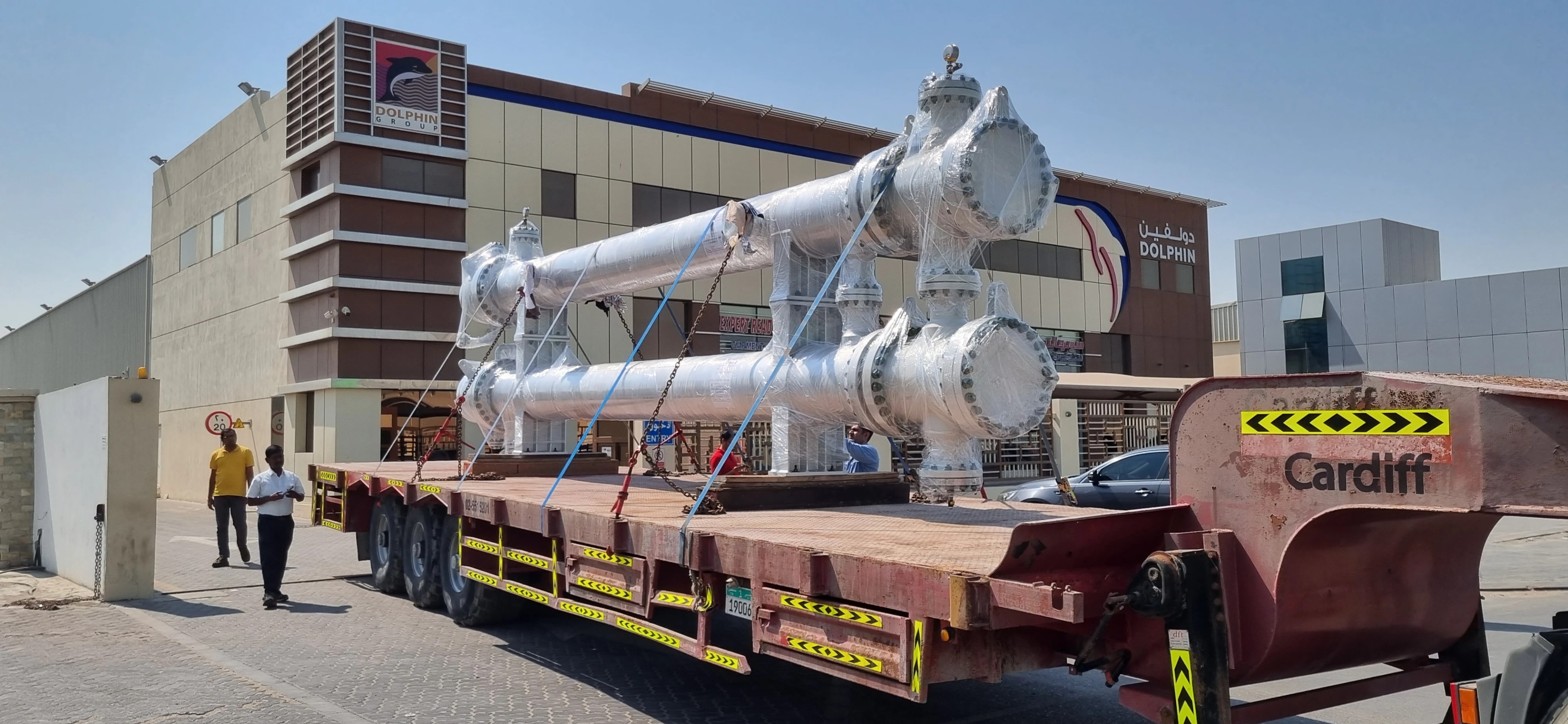
Heat exchanger network design and pinch analysis that recover process heat across a plant, cutting utility duty rather than optimising units in isolation.
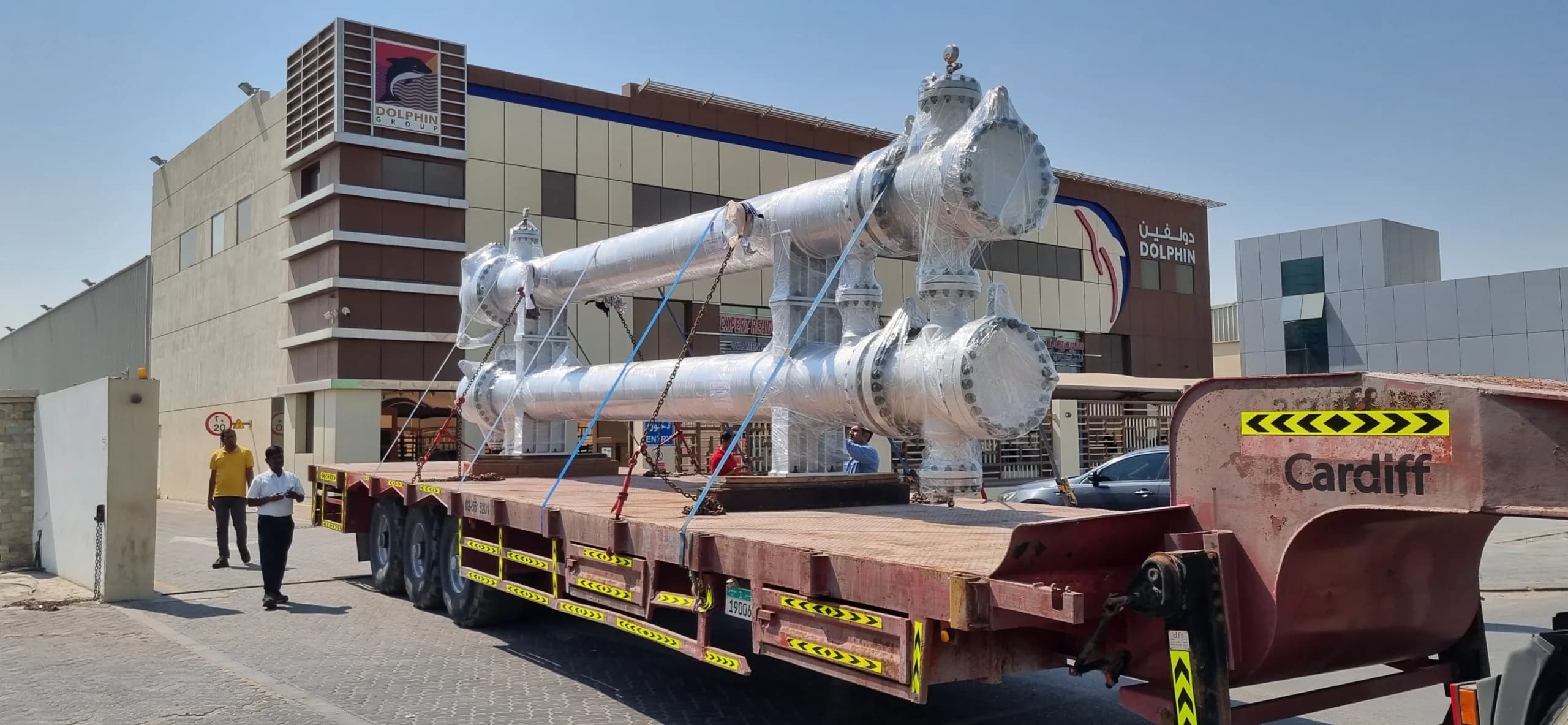
Network design establishes the theoretical minimum utility requirement first, then designs a practical network that approaches it within real constraints.
Stream data is collected for every hot and cold stream: flow, temperature range and heat capacity.
Composite curves are constructed and the pinch point identified, which sets the minimum hot and cold utility the process can achieve.
The gap between current and minimum utility consumption is quantified, establishing the size of the prize.
A network is designed that respects the pinch rule, avoiding heat transfer across the pinch that would waste recovery potential.
Engineered against the specific failures that cost operators downtime, contamination or wasted energy.
Networks that evolved unit by unit often push individual exchangers outside their intended duty, producing failures whose cause lies in the network rather than the equipment.
Heat integration couples units together, so a network designed without considering startup, turndown and unit outages can be efficient in steady state and unworkable in practice.
Most plants reject heat at one point while spending fuel to add it at another. Without a network-level analysis that duplication is invisible, because every unit looks reasonable on its own.
We design and build the exchangers a study identifies, so the recommendation does not stall at the procurement stage.
Our cleaning and maintenance work shows how recovery networks actually foul in Gulf service, which informs the margins we apply.
Most value is in existing plants, so our analysis is built around what can be changed rather than what would be ideal.
What sets heat exchanger network design from Dolphin Group apart, in specific and measurable terms.
Pinch analysis establishes the theoretical minimum, so savings are measured against a real target rather than estimated.
Changes ranked by return, allowing the project to be staged across successive turnarounds within budget.
Startup, turndown and outage cases are designed for rather than discovered during commissioning.
Reduced fired duty lowers fuel consumption and associated emissions, supporting reporting commitments.
Every exchanger in the proposed network is rated in HTRI, so the network is confirmed at both levels.
New units identified by the study can be designed and fabricated in-house without a separate procurement cycle.
Design codes, materials and testing scope confirmed for every heat exchanger network design order.
Method
Pinch analysis with composite and grand composite curves
Software
HTRI Xchanger Suite for unit rating · process simulation for stream data
Scope
Grassroots design · retrofit analysis · preheat train revamp
Inputs required
Stream data, utility costs, plot layout, operating cases
Deliverable
Network design, savings quantification and capital estimate
Heat Exchanger Network Design in service, sector by sector, application by application.
Heat exchangers for oil and gas in the UAE: thermal equipment engineered for upstream, midstream and refining service, built and serviced in Abu Dhabi.
View Sector
Heat exchangers for petrochemical plants in the UAE: we build exchangers and reboilers for crackers, polymer plants and aromatics complexes worldwide.
View Sector
Heat exchangers for power plants in the UAE: HEI-standard condensers, coolers and heat recovery equipment for conventional and renewable generation.
View Sector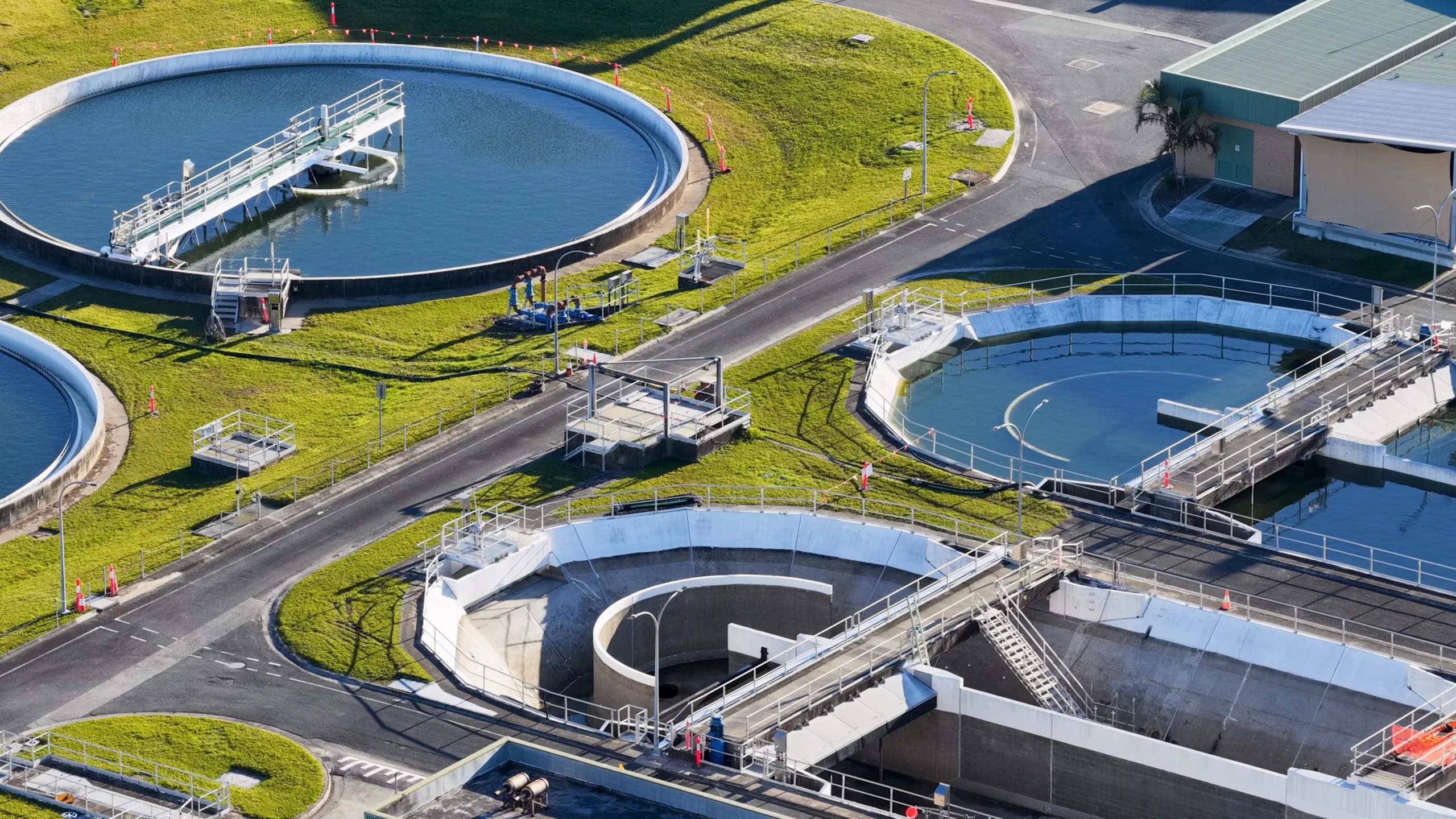
Desalination plant heat exchangers from the UAE: we build high-alloy heat exchange equipment for MSF, MED and RO desalination plants.
View Sector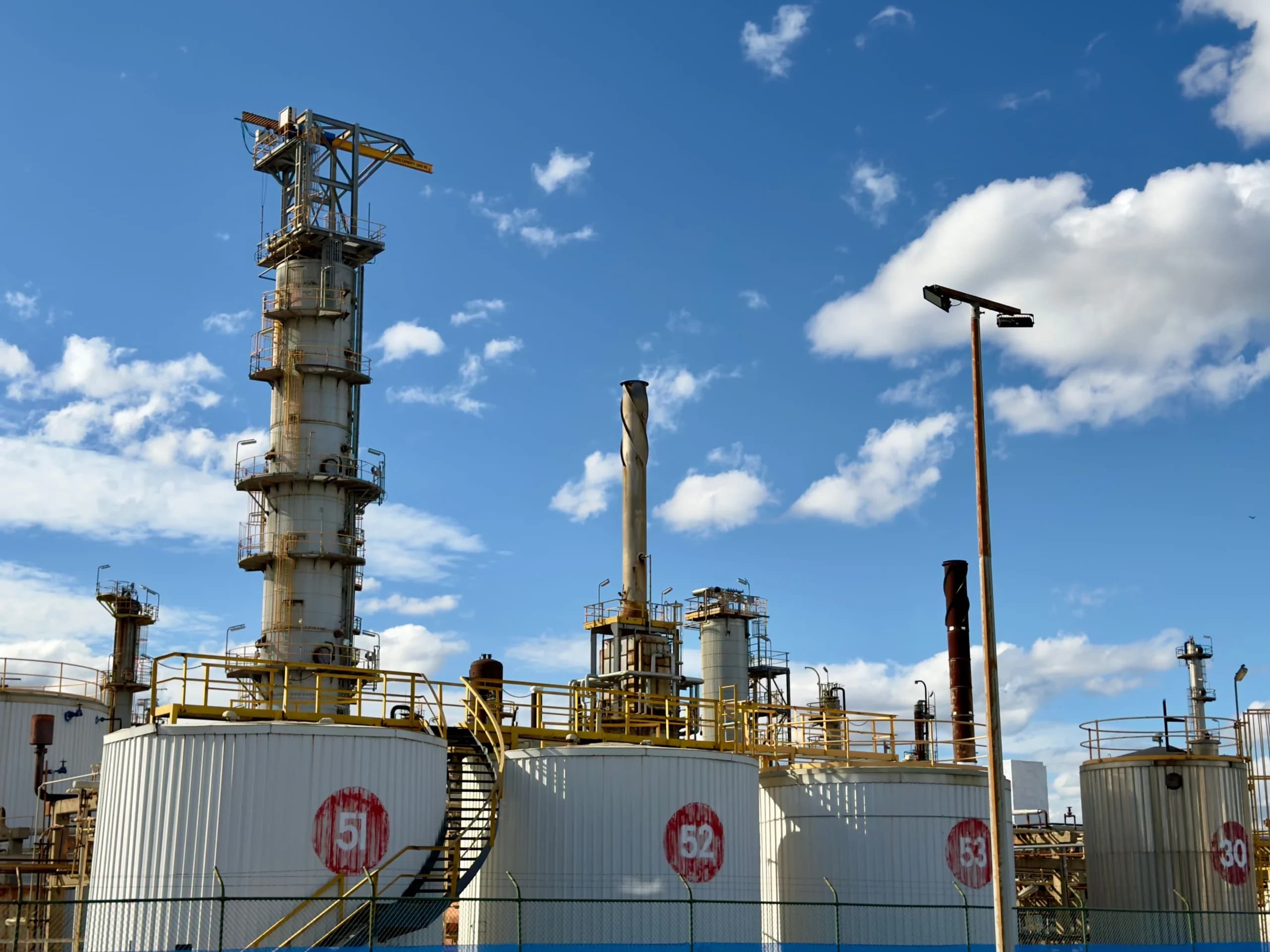
Heat exchangers for chemical plants in the UAE: corrosion-resistant exchangers and vessels for acids, alkalis and speciality chemistry.
View Sector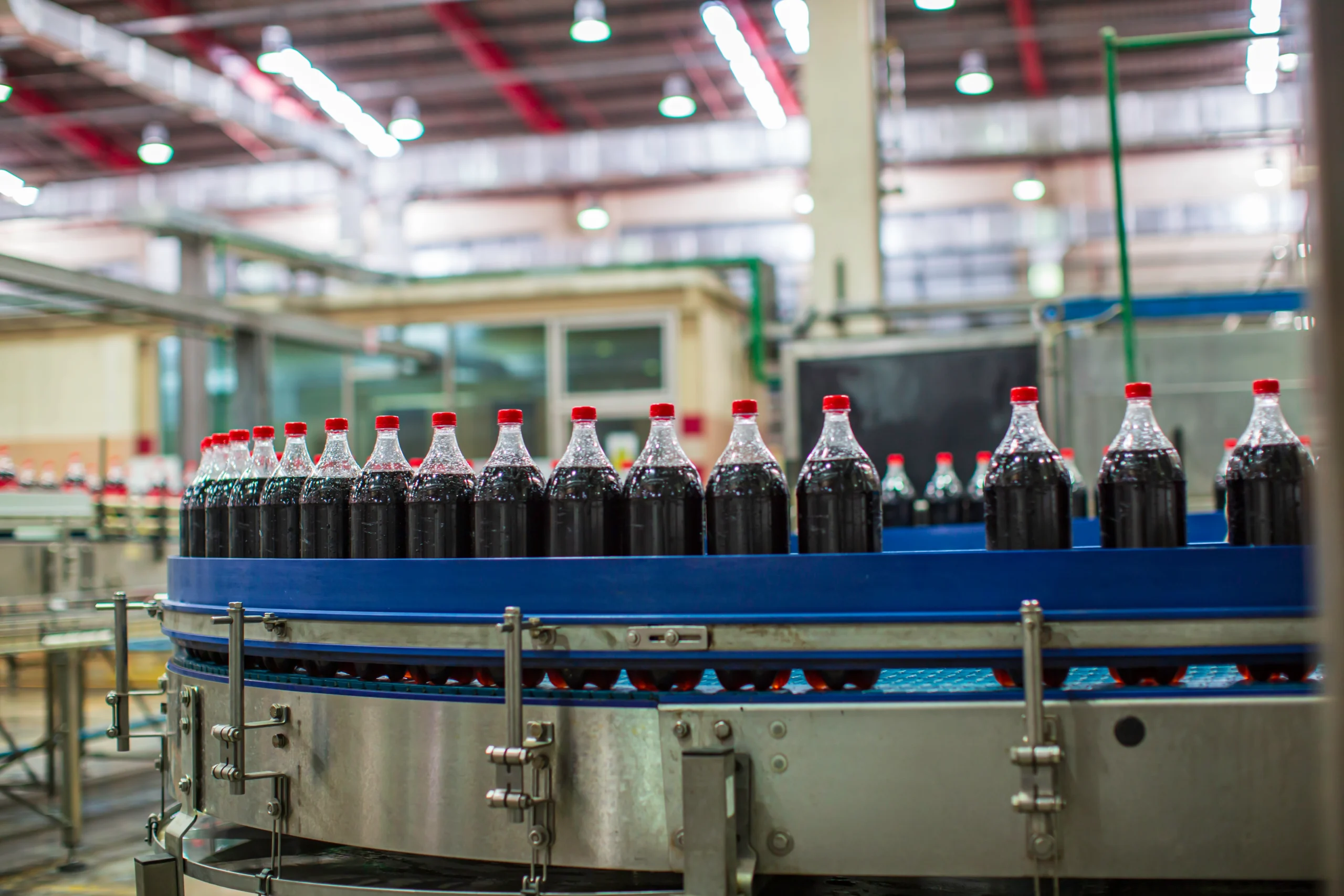
Food and beverage heat exchangers in the UAE: hygienic plate heat exchangers and process cooling for dairies, beverage lines and food processors.
View SectorIt is a method that plots all hot and cold streams as composite curves to find the point of closest temperature approach, called the pinch. That point sets the theoretical minimum hot and cold utility the process can use, which becomes the target for network design.
It depends entirely on how integrated the plant already is. Plants that have never been analysed typically show meaningful recovery potential, while well-integrated plants show less. The analysis quantifies it for your specific process rather than offering a generic figure.
Yes, and retrofit is the more common case. Retrofit analysis identifies the smallest set of changes that captures most of the available saving within your existing layout.
Stream data for all hot and cold streams, meaning flow rates, supply and target temperatures and heat capacities, plus utility costs and plot layout. Heat and material balance data from your process simulation is usually the right starting point.
Integration does couple units together, which is why startup, turndown and outage cases are designed for explicitly. We will state where a proposed change constrains operation.
Yes, significantly. Recovery exchangers lose duty as they foul, so the network is designed to perform acceptably in the fouled state rather than only when clean.
Yes. Recommendations are ranked by return so the project can be implemented progressively as budget and windows allow.
Contact us with your heat and material balance and utility costs. We will confirm the data set needed and the expected scope.
Send your duty requirements or existing datasheet, and our engineers will confirm the right configuration.
Design codes, materials and testing scope confirmed for every heat exchanger network design order.
Method
Pinch analysis with composite and grand composite curves
Software
HTRI Xchanger Suite for unit rating · process simulation for stream data
Scope
Grassroots design · retrofit analysis · preheat train revamp
Inputs required
Stream data, utility costs, plot layout, operating cases
Deliverable
Network design, savings quantification and capital estimate